I'm a creative director and strategist. Mostly I help brands stop sounding fake.
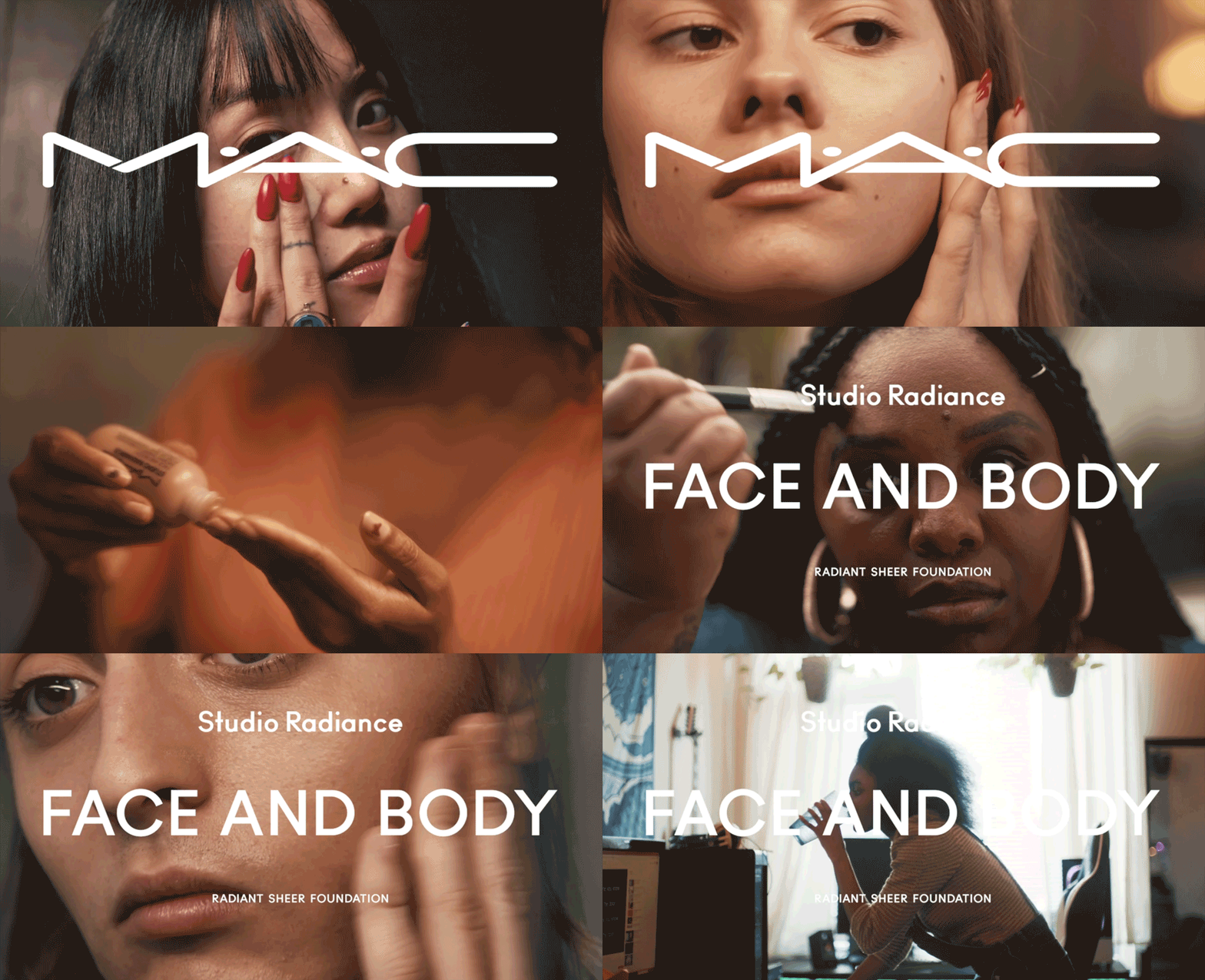
Documentary photography by Micaiah Carter and Campbell Addy of The New Black Vanguard. Cast shot at home. Seven days. Zero retouching, by decision.
View project →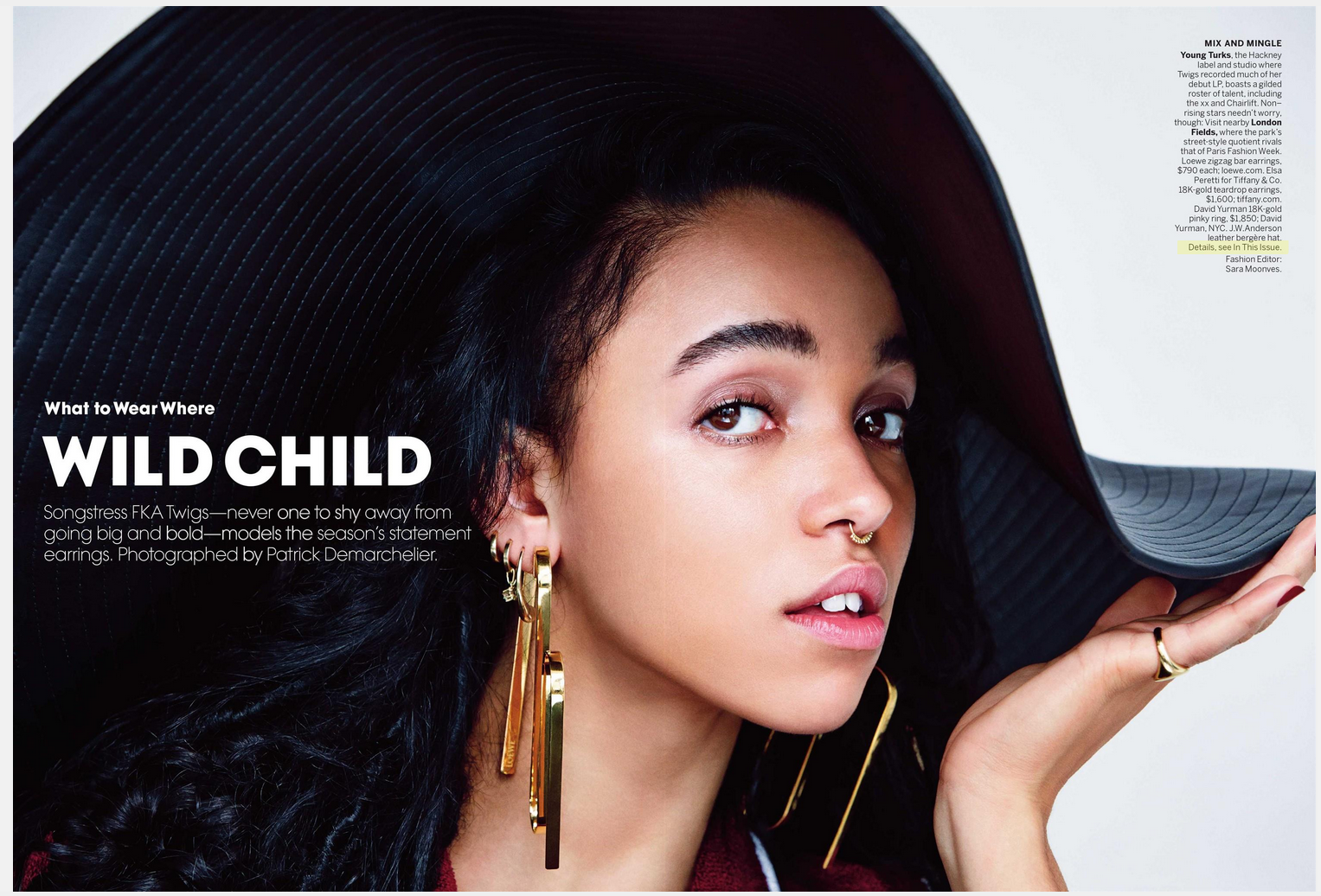
Photographed by Sean Thomas for Vogue's beauty feature. A rowboat in Central Park Pond. A tutorial in a hotel bathroom. Two million YouTube views. One million Instagram likes. A specific, physical idea that didn't apologize.
View Vogue →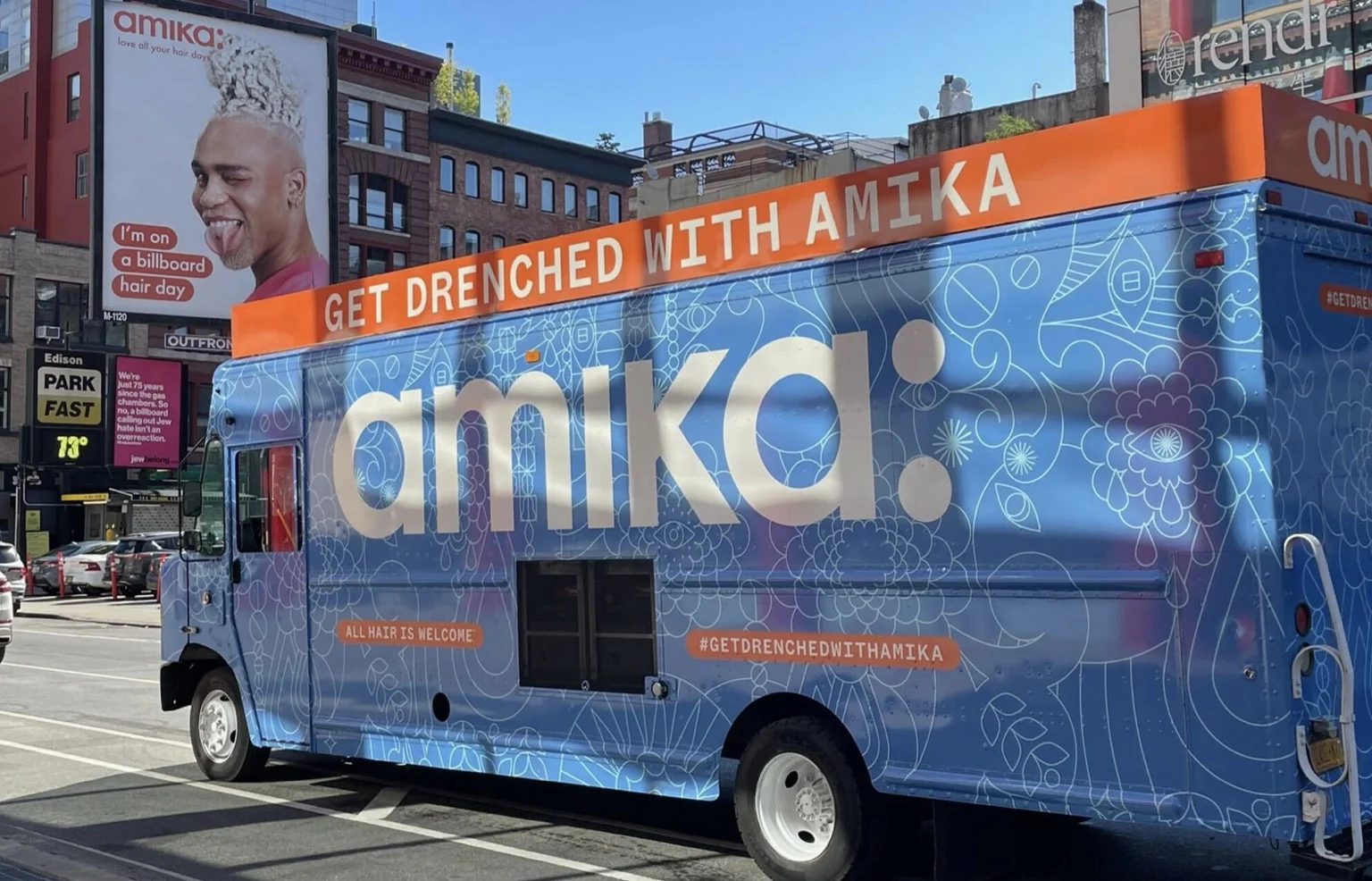
Number one hair brand at Sephora during Let's Get Cleanical. 35%+ growth on shampoo and conditioner. A summer OOH idea you can't dashboard your way to.
View Amika →
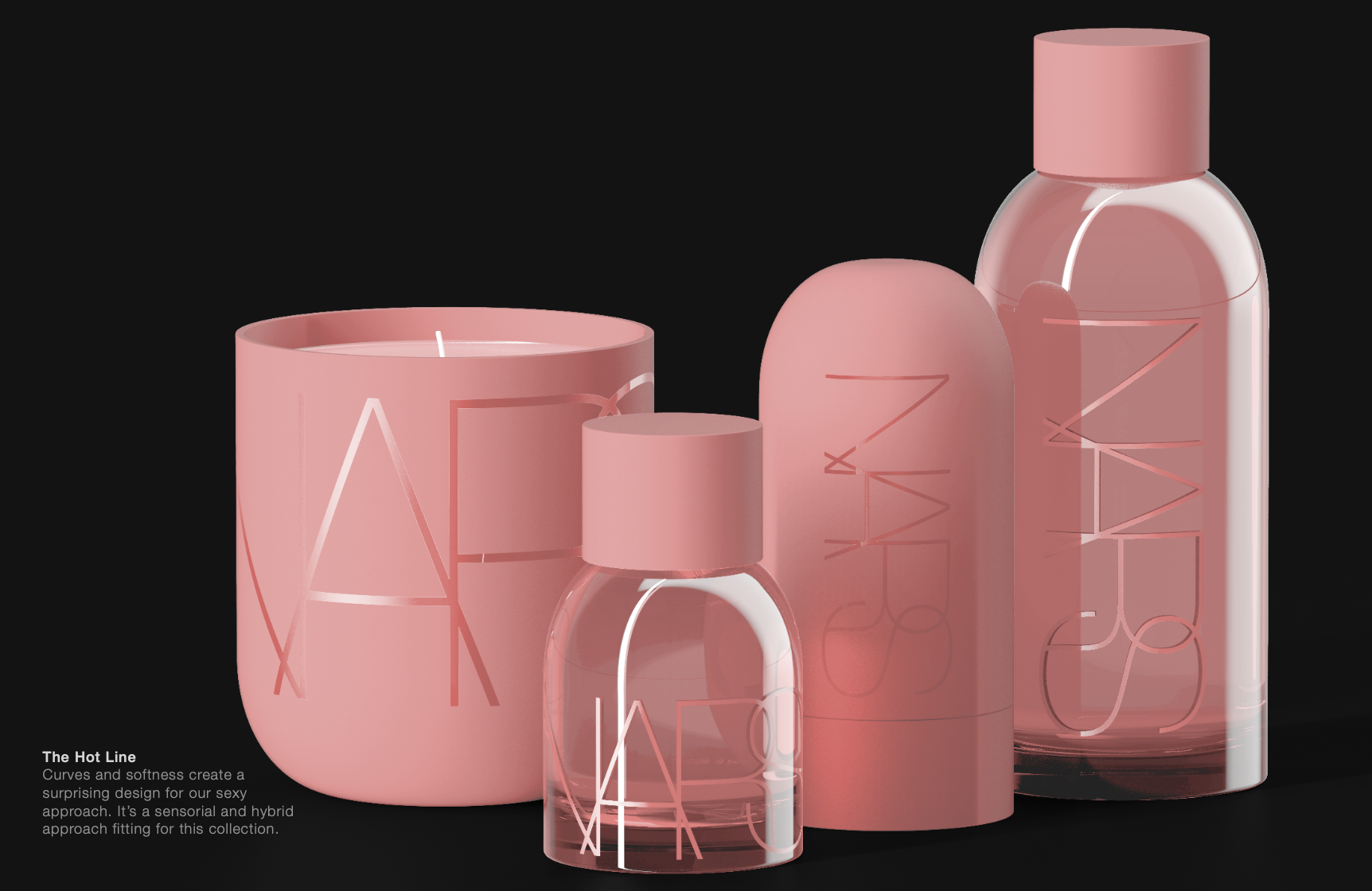
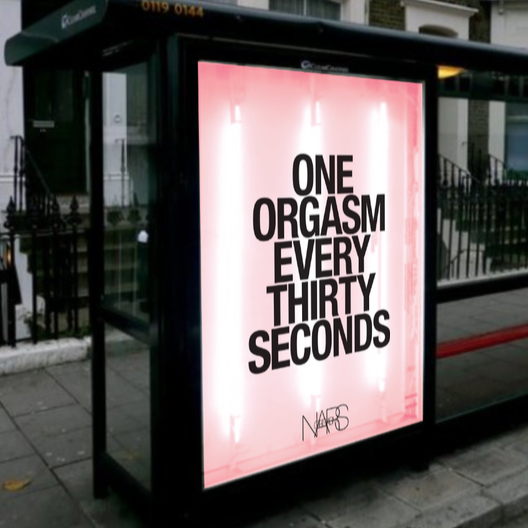
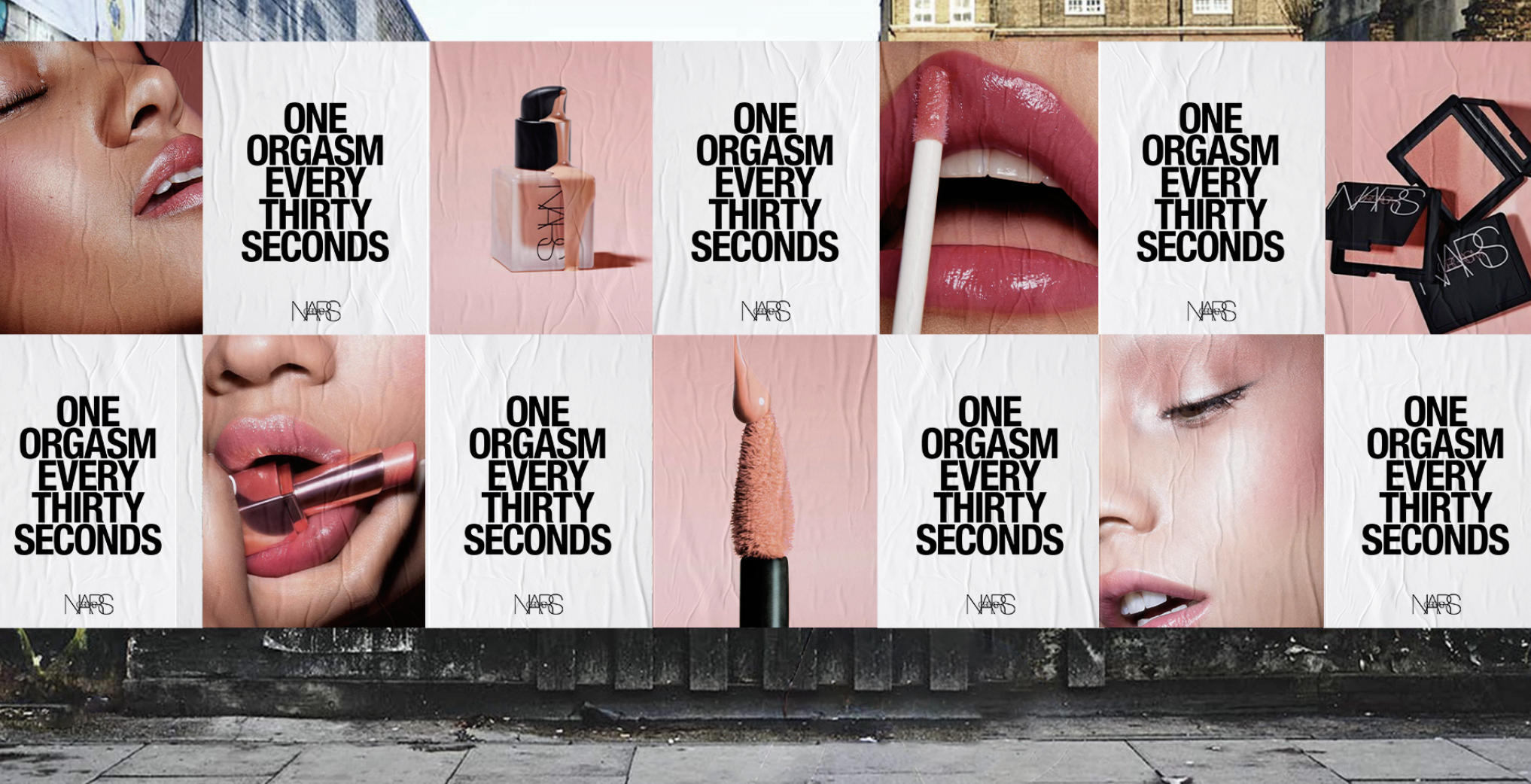
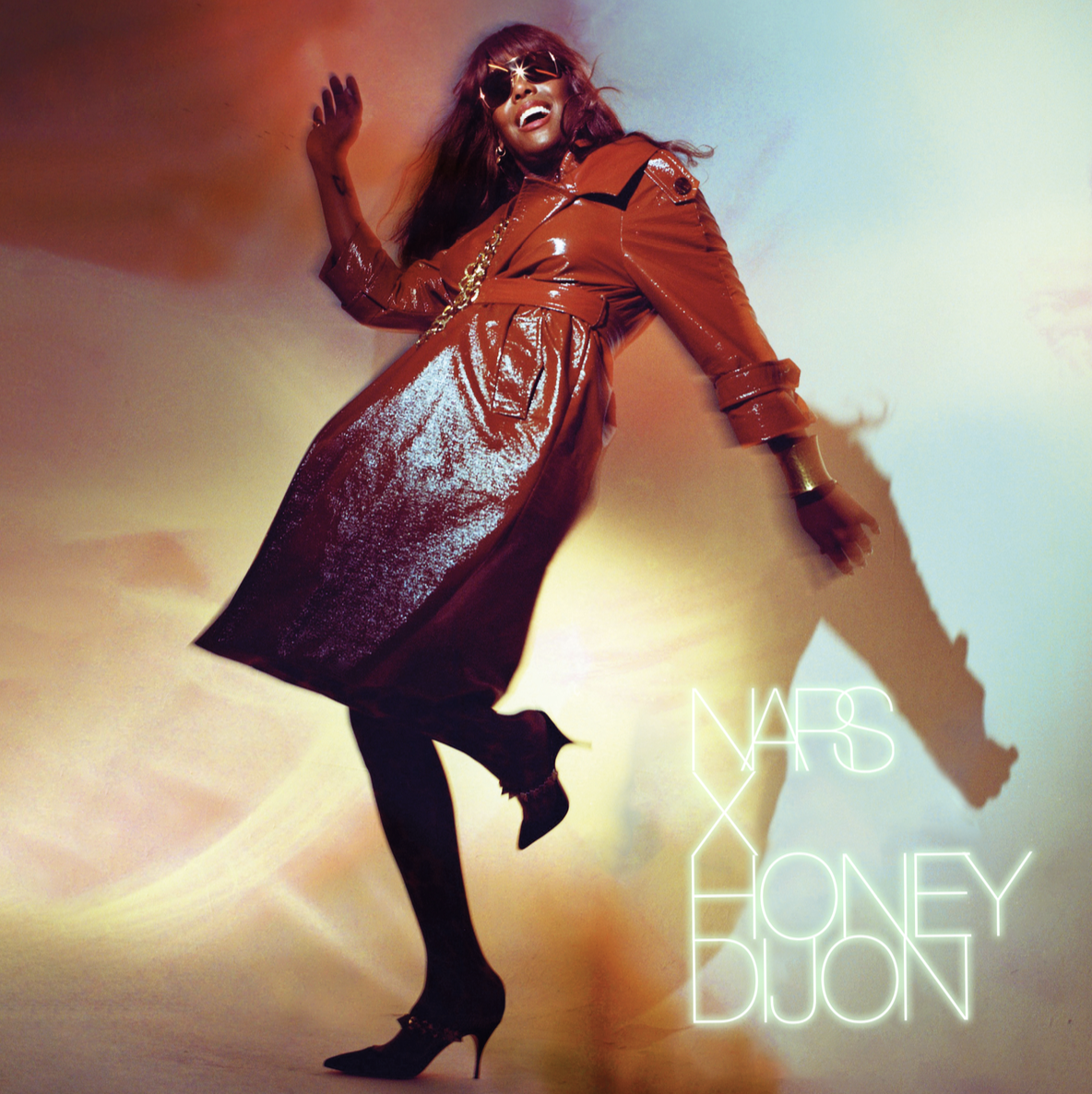
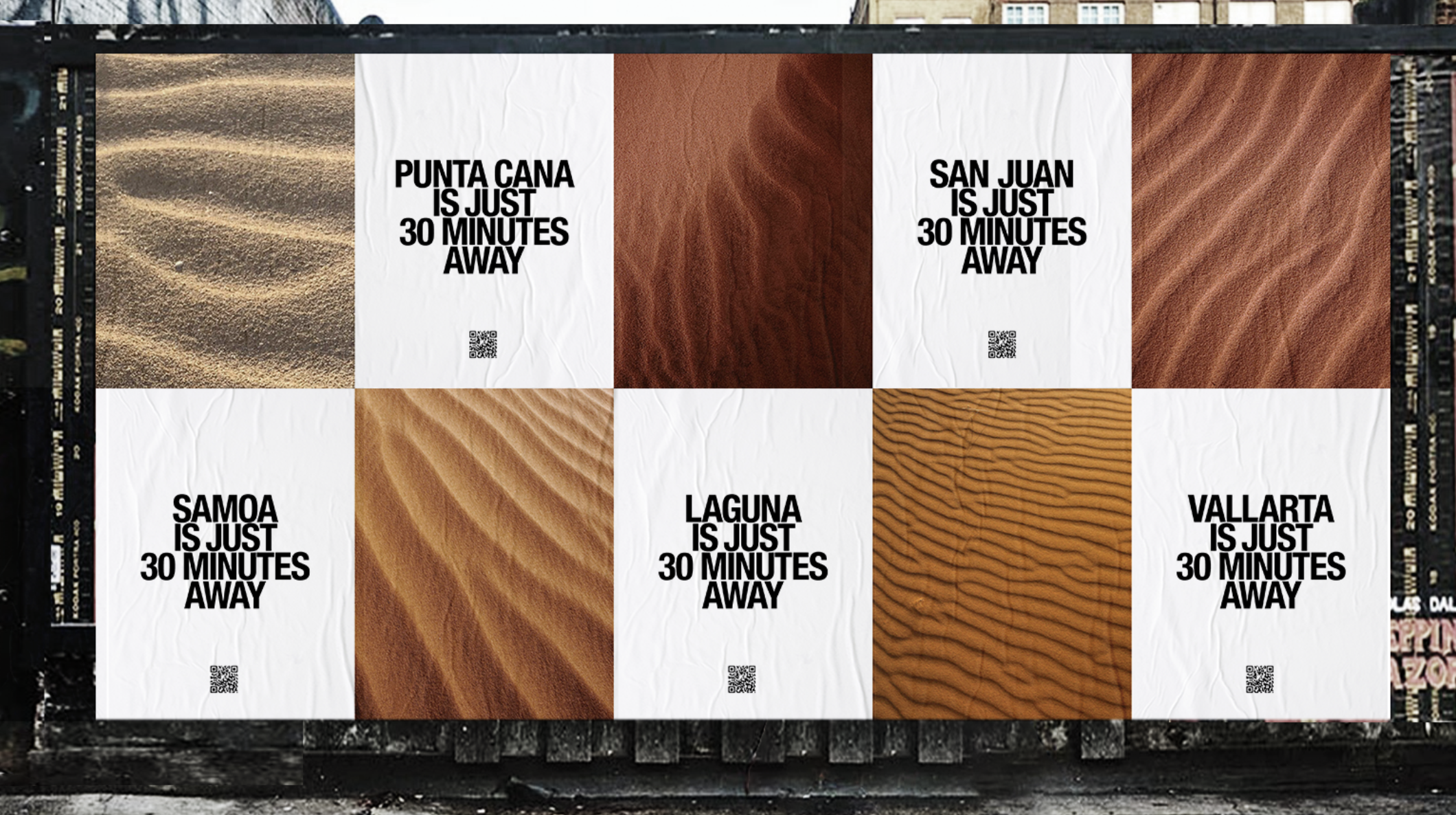
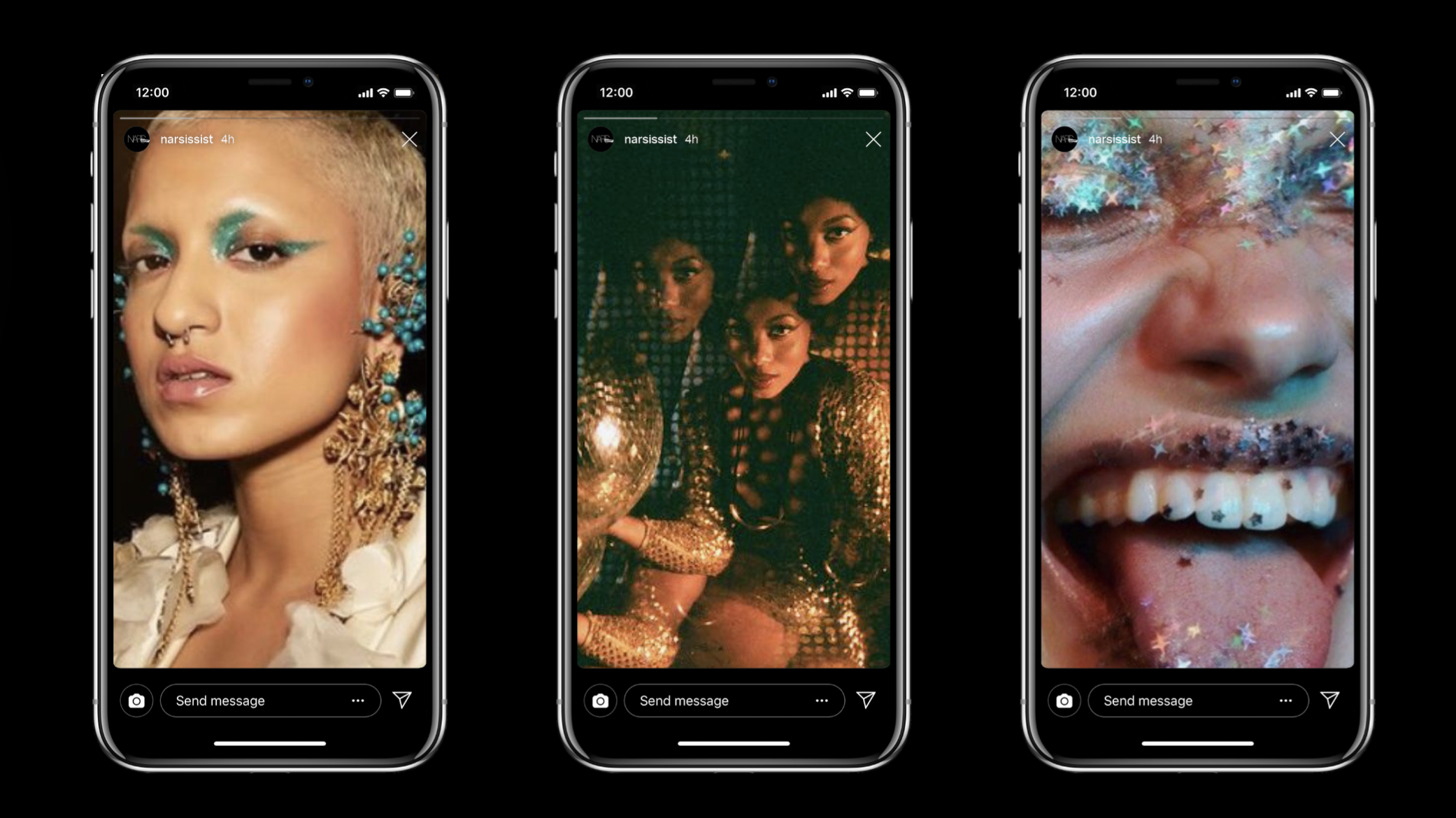
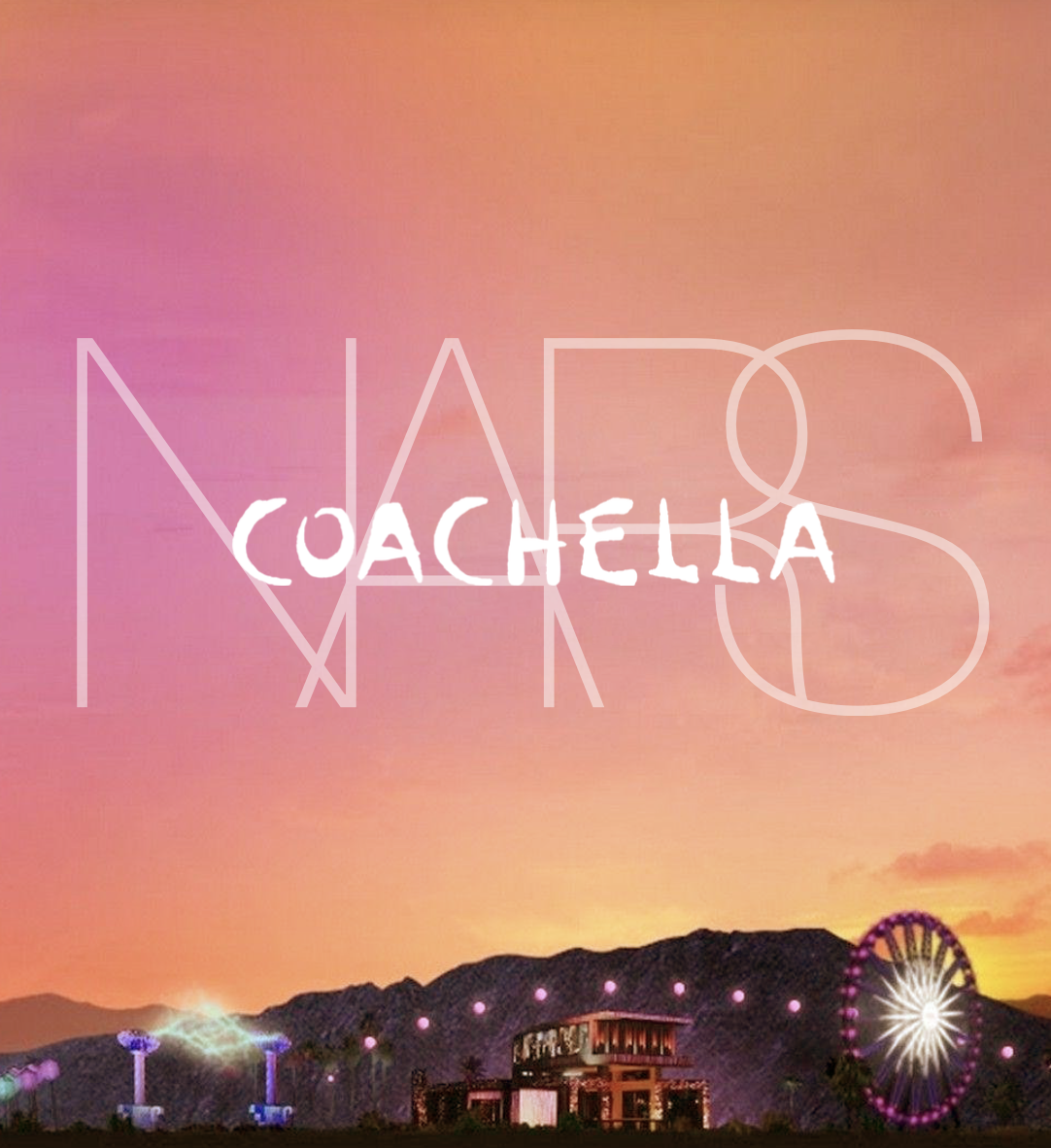
Orgasm — sex-positive. Honey Dijon at Coachella. House of NARS in the metaverse. “30 minutes away” travel posters made of real sand. Ideas built to outlast the campaign window.
View concepts →Creative careers are weird on paper. Mine definitely is. The title changed because the room changed.
New tools do not kill creativity. They expand it. The camera did not replace painting. AI is asking us to do the same.
AI doesn't replace creative directors. It separates the ones who lead with ideas from the ones who hide behind execution.
Three eras of figuring out how brands earn attention.
I came up here because culture was being made in magazines when I started — Interview, then Vogue. I left when it was no longer the only room. Editorial taught me what a picture is for: how an image earns its place, how talent changes the temperature of a story, and how taste becomes an argument.
I went brand-side when the question stopped being what should the picture look like? and started being what should the brand actually be doing? M·A·C, Amika, and DanceOne were each a different answer to the same problem: how a brand earns attention on platforms instead of in magazines.
The work I am most interested in now sits upstream of the campaign — concepts and pitches at the level of the brief. The brands that will matter next need someone who understands the editorial register, the platform mechanics, and the strategic argument. I have spent fifteen years building that. This is where I want the next chapter.
M·A·C Studio Radiance.
My Role
I led creative ideation with the art team, focusing on digital-first, 360 concepts that could work across global markets. My job was to define the visual approach, make sure it translated across every touchpoint, and shape a modern skin aesthetic for the brand.
The Task
M·A·C brought me in to help modernize how the brand showed up online. At the time, a large share of sales was still happening in stores, so the goal was to build digital-first creative that could actually move the business: stronger e-commerce storytelling, better paid performance, and a more cohesive experience across social, site, and virtual try-on.
The brief was to modernize a foundation. The actual job was to stop pretending.
Beauty had spent thirty years retouching. The customer had spent the last ten learning to read it. The polite move was to retouch less. The interesting move was to stop entirely. So we did.
Micaiah Carter and Campbell Addy — both part of The New Black Vanguard — shot the cast at home. One photographer. One makeup artist. Seven days. Zero retouching. The cast filmed themselves for the rest of the week. The campaign was assembled out of what the camera actually saw.
The numbers were good.
The number the numbers don't show is the one I care most about: a foundation campaign that took the customer's intelligence as the brief's starting point.
Studio Radiance went on to become one of M·A·C's top-selling foundations, expanded to 30 shades, and accelerated the brand's digital business across virtual try-on, shade-matching, and artist concierge.
Studio Radiance — Anthem (30 second cut)
Cast Diary 01
Cast Diary 02
Cast Diary 03
Frosted Firework — Holiday 2021.
A global holiday campaign built to position M·A·C as the number one destination for gifting and festive looks — with a digital-first toolkit that could scale across markets, talent, channels, and daily product moments.
The Task
Create a global holiday campaign that positioned M·A·C as the destination for gifting and festive looks, then translate it into a toolkit that markets could activate across social, site, merchandising, paid, and in-store moments.
The Concept
Frosted Firework: a visual world inspired by light, warmth, and celebration. Frosted textures, explosive color, and global talent made the holiday story feel modern, inclusive, high-energy, and easy to localize.
The Results
Delivered a full 360 global marketing toolkit across regions, including campaign assets, social templates, merchandising guidance, and digital experiences that supported personalized gifting, daily offers, and holiday product drops.
Frosted Firework — Full Lineup
Bretman Rock
Loren Gray
Fix+ — Reintroduction.
Fix+ had been a M·A·C insider tool for twenty years — an artist favorite that consumers either didn't know about or used wrong. We rebuilt the story around versatility: setting spray, primer, blender, refresher, and the updated 6-free, alcohol-free, 12-hour formula.
The Task
Reintroduce Fix+ for a digital-first consumer while preserving its authority with artists. The work needed to clarify what the product does, make the benefits easy to understand, and scale across global product education, social, e-commerce, and paid media.
The Concept
Translate a backstage staple into a modern benefit-led system: refresh, hydrate, prime, set, and extend wear. The campaign framed Fix+ as a flexible skin-prep and makeup-finishing tool rather than a single-use mist.
The Results
Created a modular global content system that made the formula story and usage occasions easier to localize, supporting product education across markets while giving the franchise a cleaner, more contemporary digital presence.
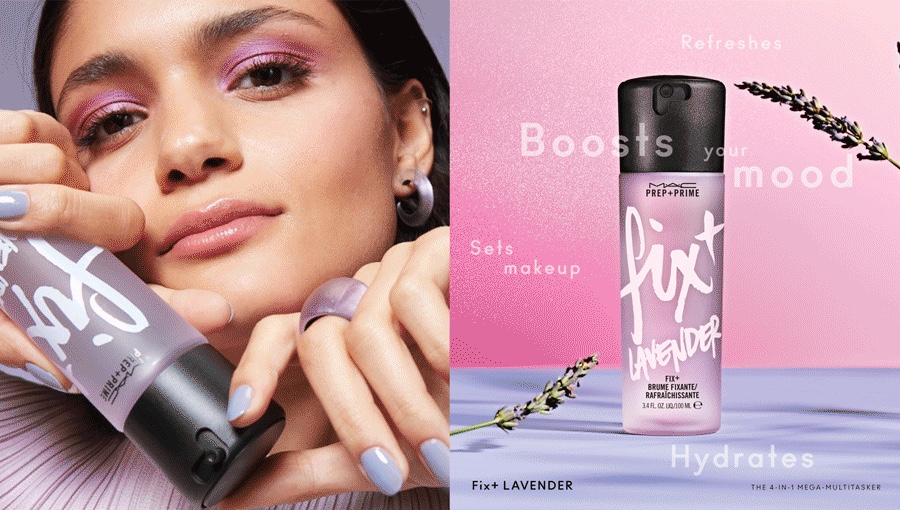
Fix+ Lavender — Print / Campaign Visual
12-Hour Wear
Hack
Alcohol-Free
EZO
Amika.
What I Led
I led global creative strategy during a major brand evolution and growth period, connecting campaign storytelling, content production, and performance needs across channels.
Why It Mattered
The work had to protect the brand’s handmade, oddball voice while building a creative system that could scale across Sephora, DTC, paid media, social, and launch campaigns.
A haircare brand that wanted growth without losing its voice. The work was figuring out which parts of the brand actually scaled and which parts had to stay handmade.
Let's Get Cleanical.
The clean-ingredient story, told without flinching. We took the clinical claim, painted it Amika-colored, made it sound like a person had said it, and pushed it through the funnel. Number one hair brand at Sephora during the run. Shampoo and conditioner up 35%+. YouTube awareness +12.8%, +22% among the core 25–34.
Hairtopia.
Four small surreal 3D worlds for the holidays. The 15-second cut did almost all the work. 67% more views than planned. 239% more clicks. 15.6% lift in ad recall among women 18–24. The lesson was old and unfashionable: tight beats long, strange beats polite, specific beats safe.
Get Drenched.
To launch Amika’s hydration franchise in summer 2022, we turned the Get Drenched concept into a mobile, citywide experience: part traveling OOH billboard, part pop-up, part street-level product education.
The bus brought sampling, hydration storytelling, and social-ready moments into high-traffic public spaces. Wrapped in water-inspired campaign artwork, it gave the brand a physical presence during peak summer foot traffic and made the campaign feel immediate, visible, and easy to share.
Get Drenched — Hydration Tour / Mobile OOH Activation
The Work
We extended the campaign beyond digital by building a wrapped brand bus that moved through high-traffic public spaces, combining large-scale visual impact with curbside consumer engagement.
The Result
The activation reinforced the hydration story through a memorable IRL touchpoint, blending OOH visibility with organic reach as the bus appeared across the city.
Let's Get Cleanical — 30 second hero
Holiday Launch
Holiday — Perk Up
Moisture Verse — Hairtopia
Realm of Repair — Hairtopia
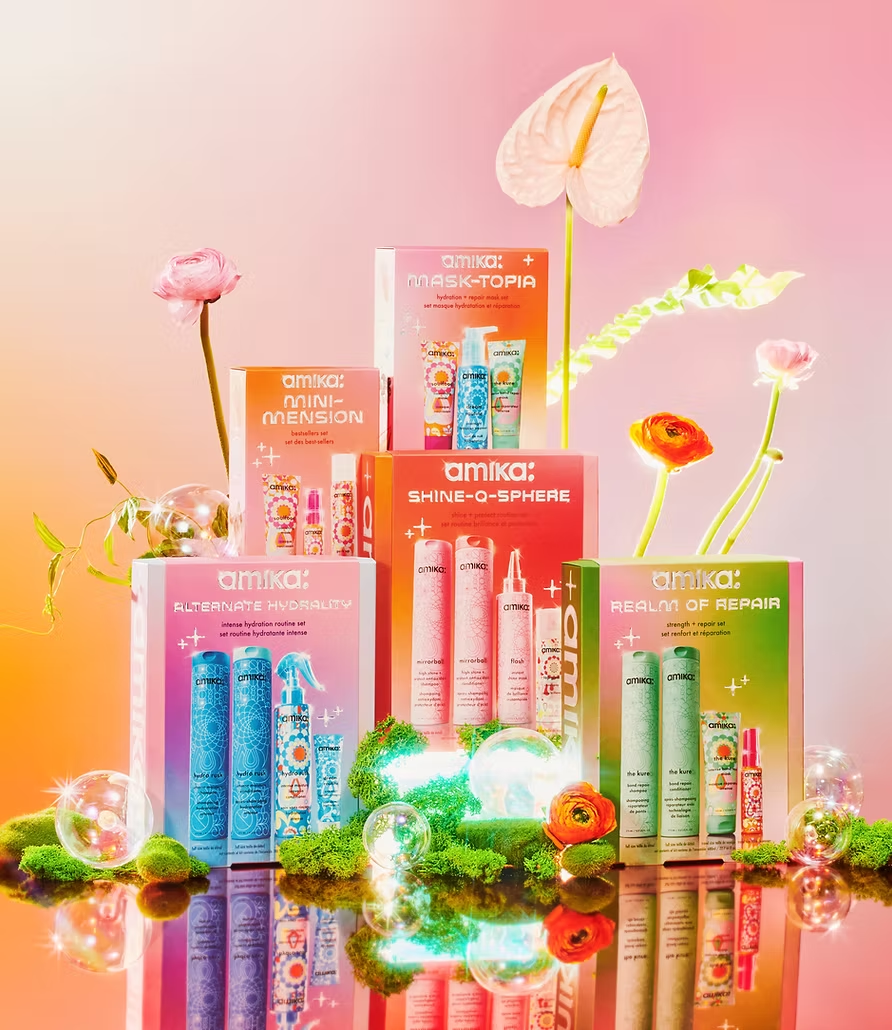
Holiday — Shiver
A picture is a position.
My Role
I directed editorial and commercial productions with a focus on visual impact, contributor alignment, and images that could live across print, digital, and social contexts.
The Work
The page now prioritizes full-bleed images when they are stronger than the print layout, while using page layouts for context when the headline, caption, or credit adds important editorial information.
Directing editorial shoots at Vogue during the years when an image still set what culture was looking at. The job was knowing how to frame a moment, cast the right collaborators, and make pictures that didn't apologize for being pictures.
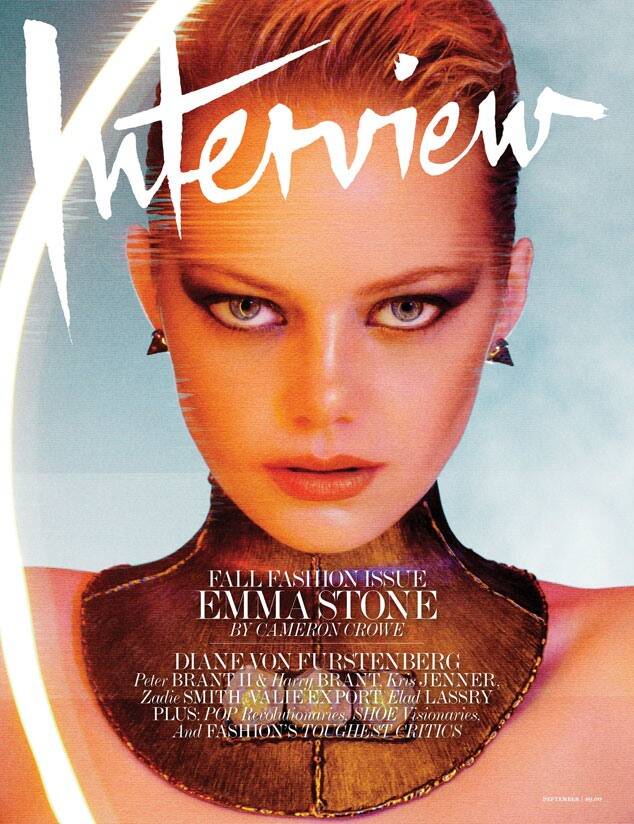
Subjects and photographers worth naming. Metrics omitted on purpose — the credit is the credibility.
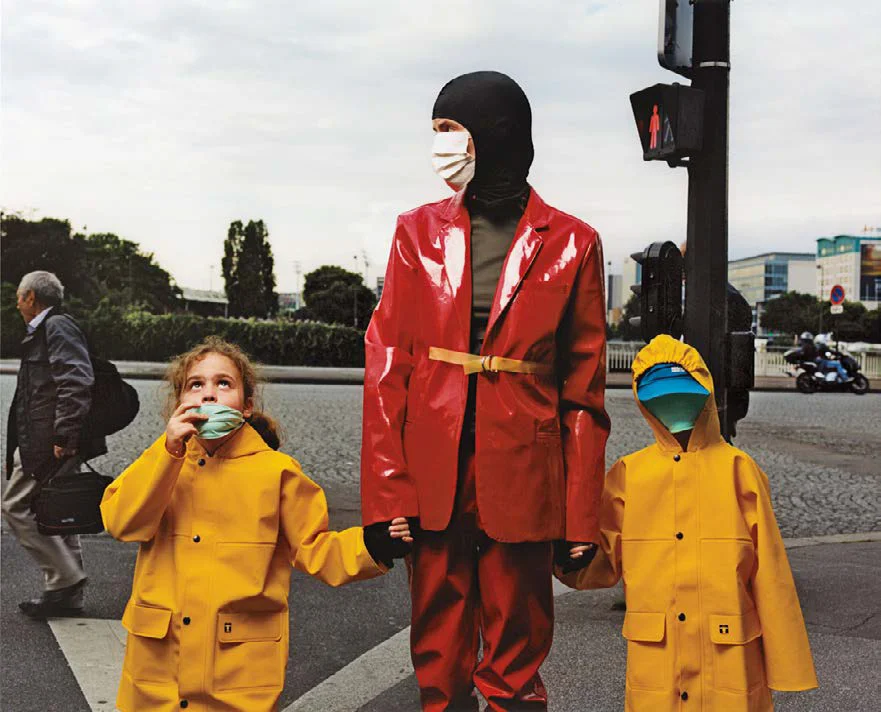
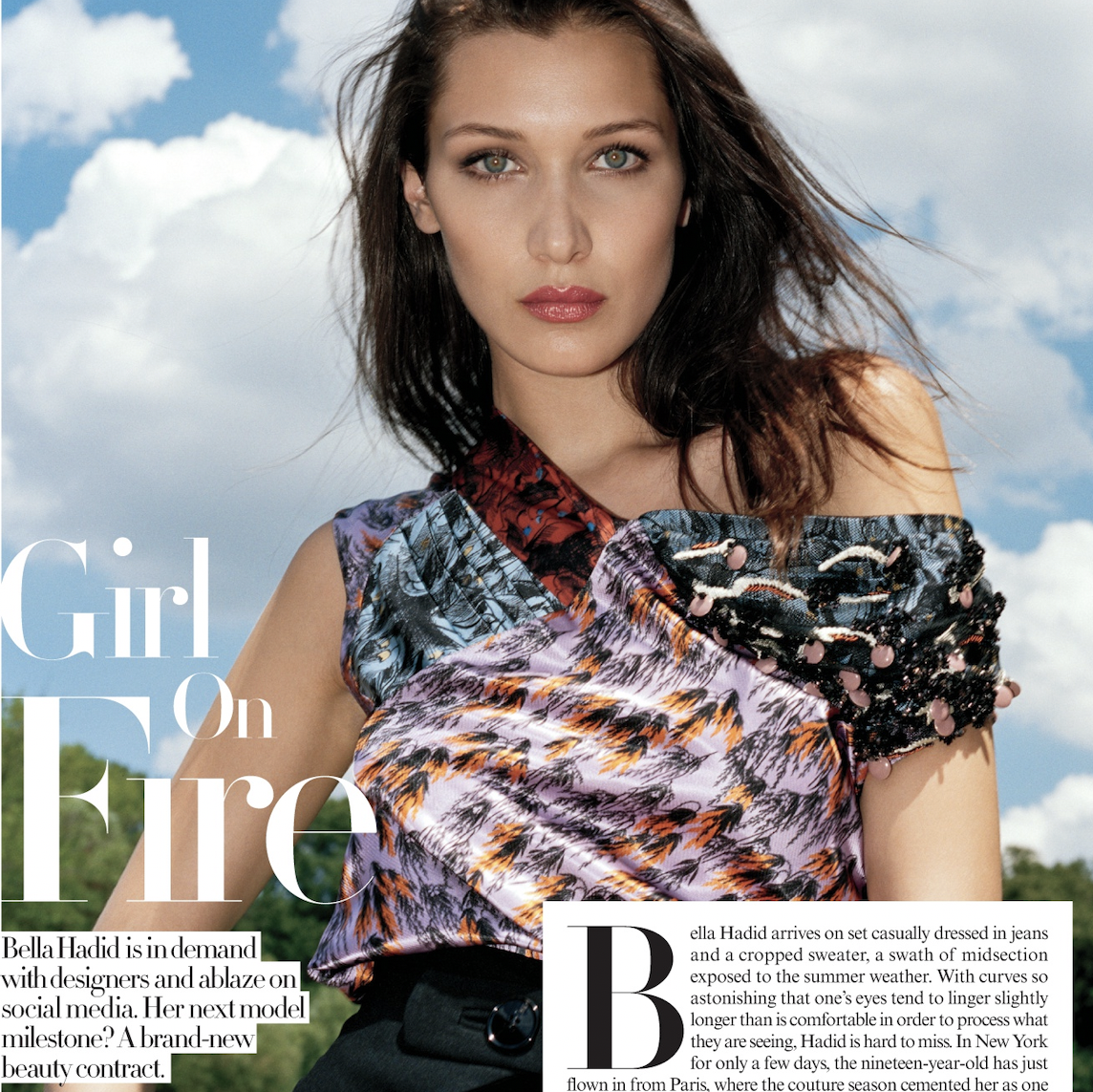
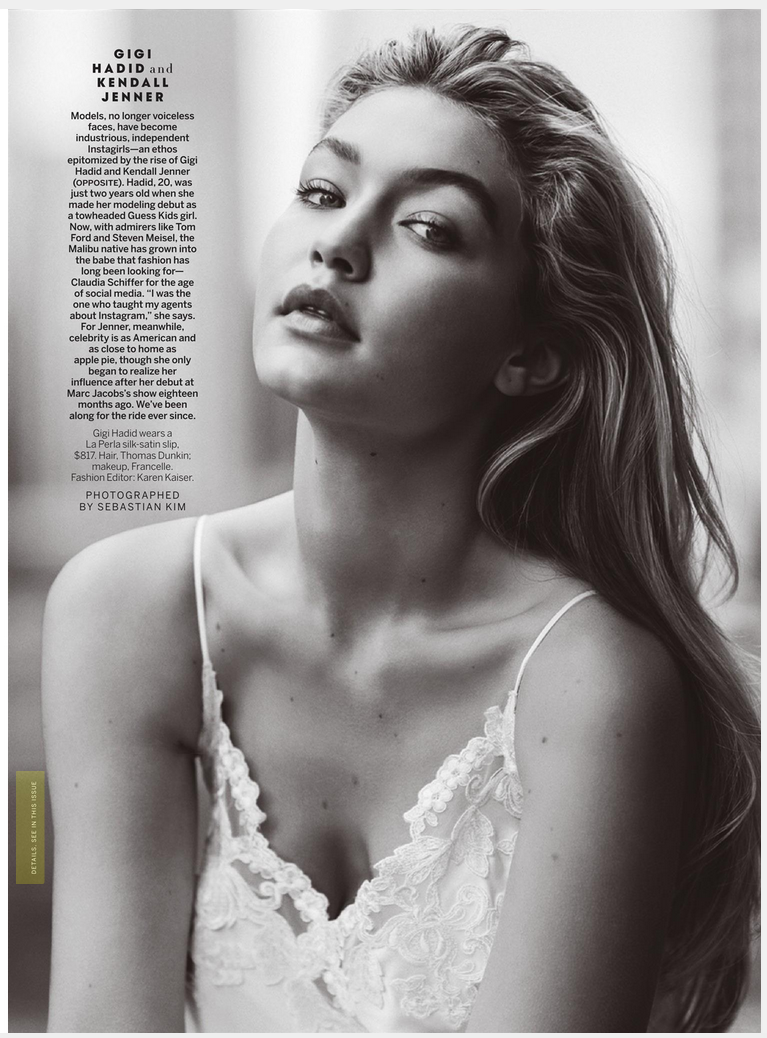
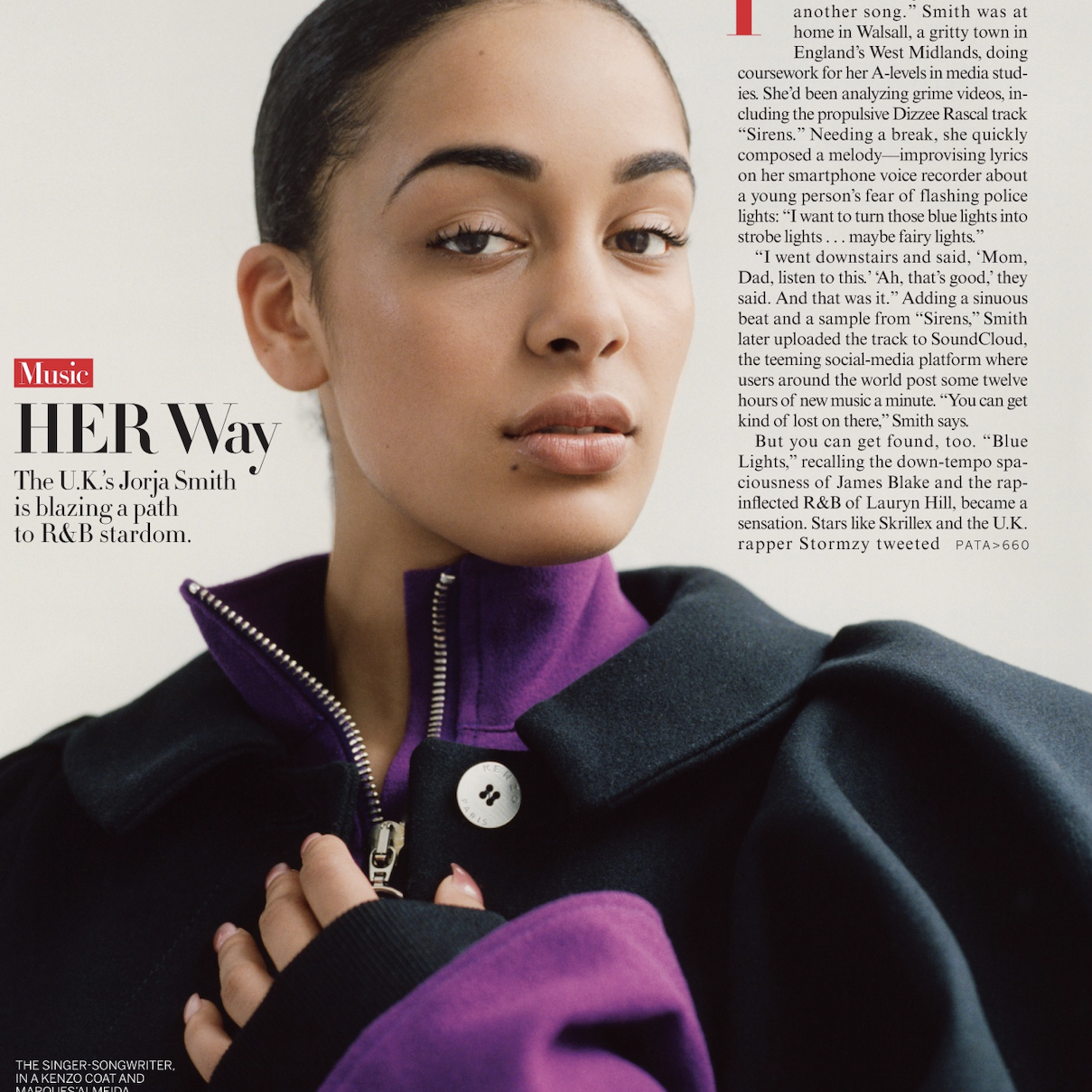
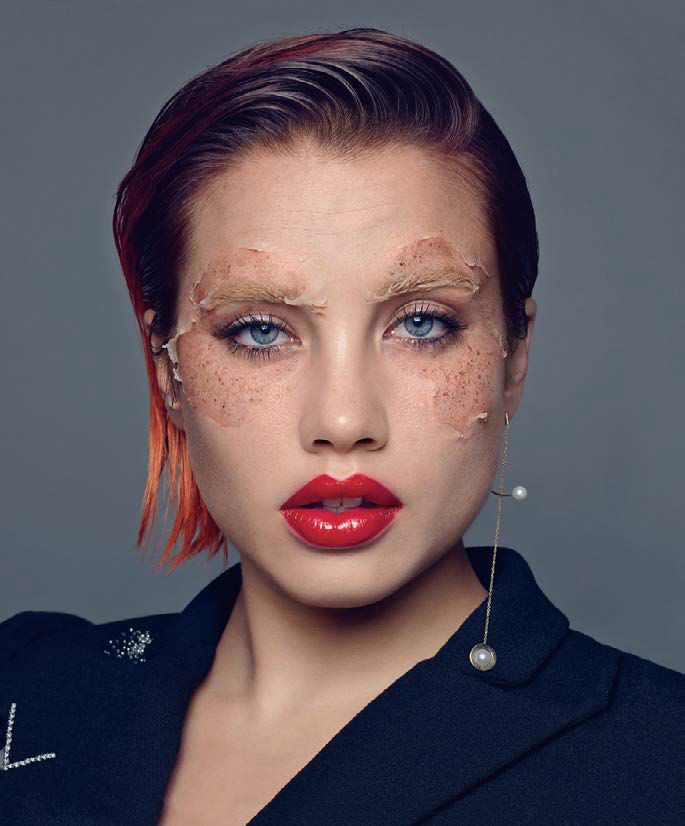
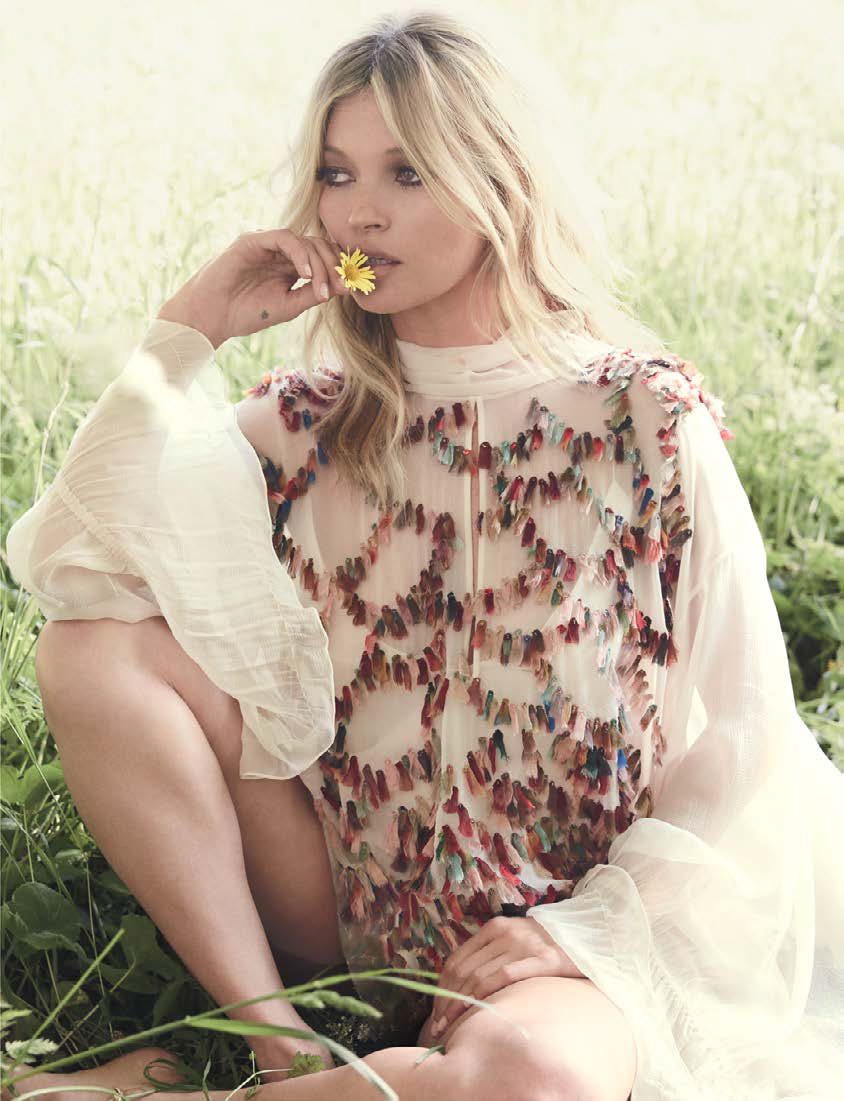
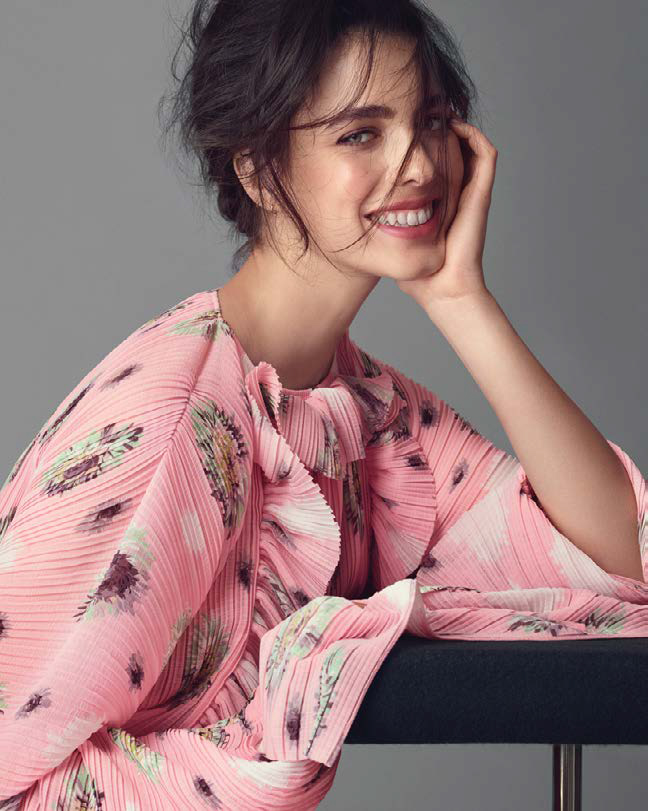
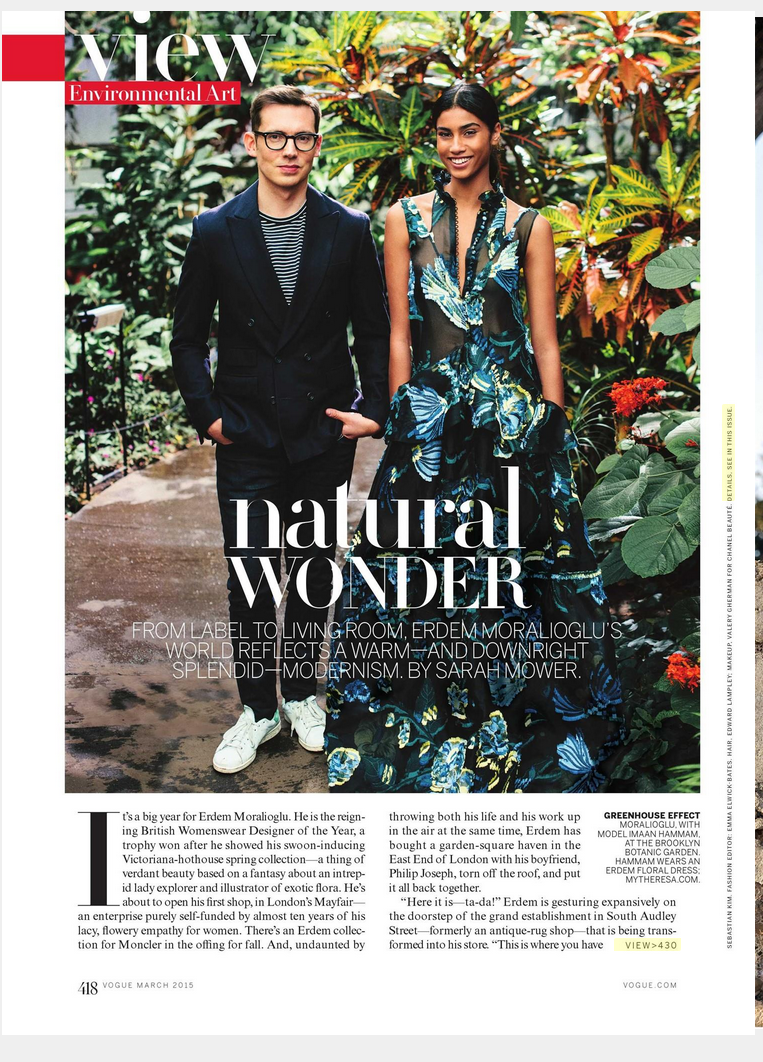
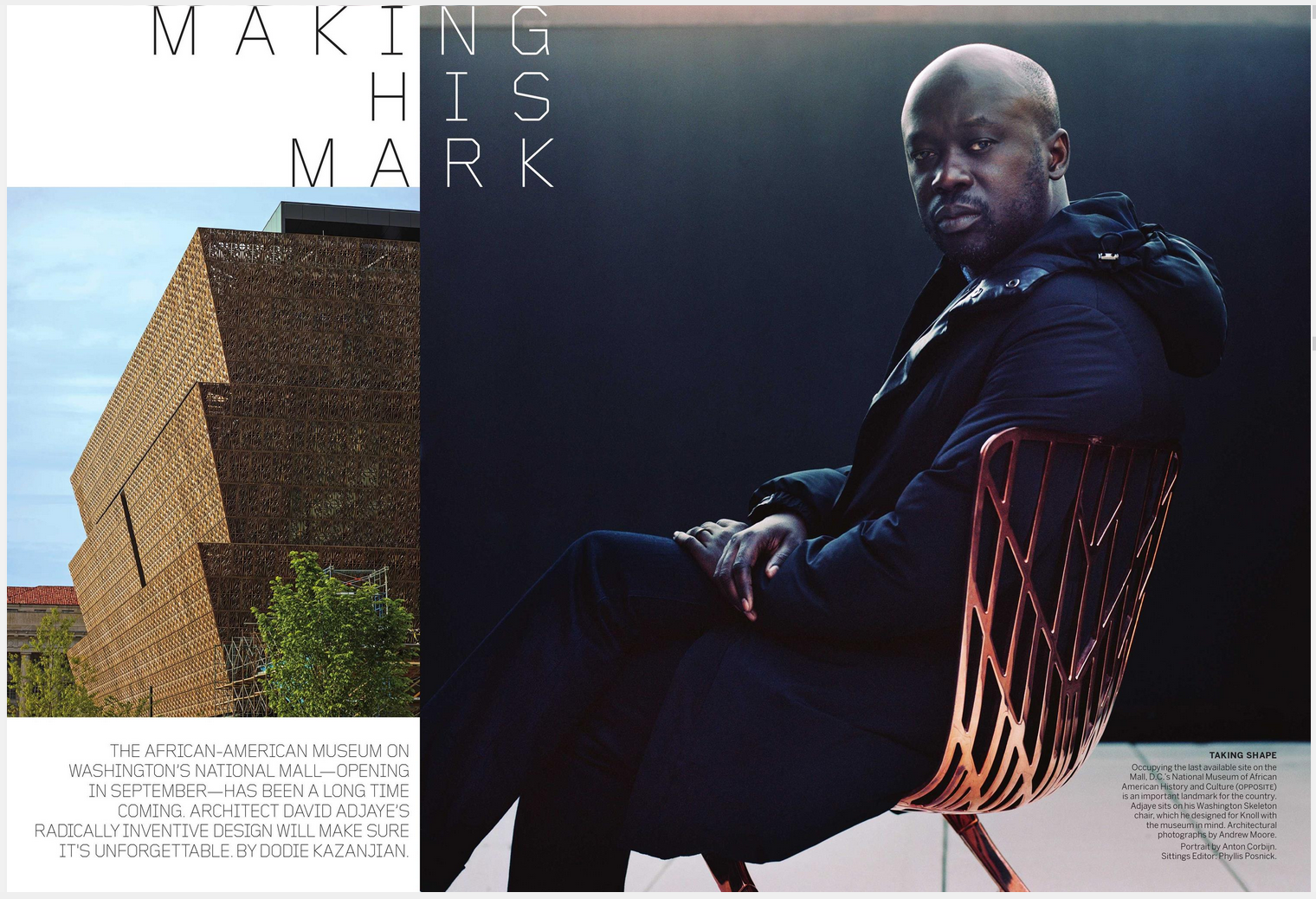
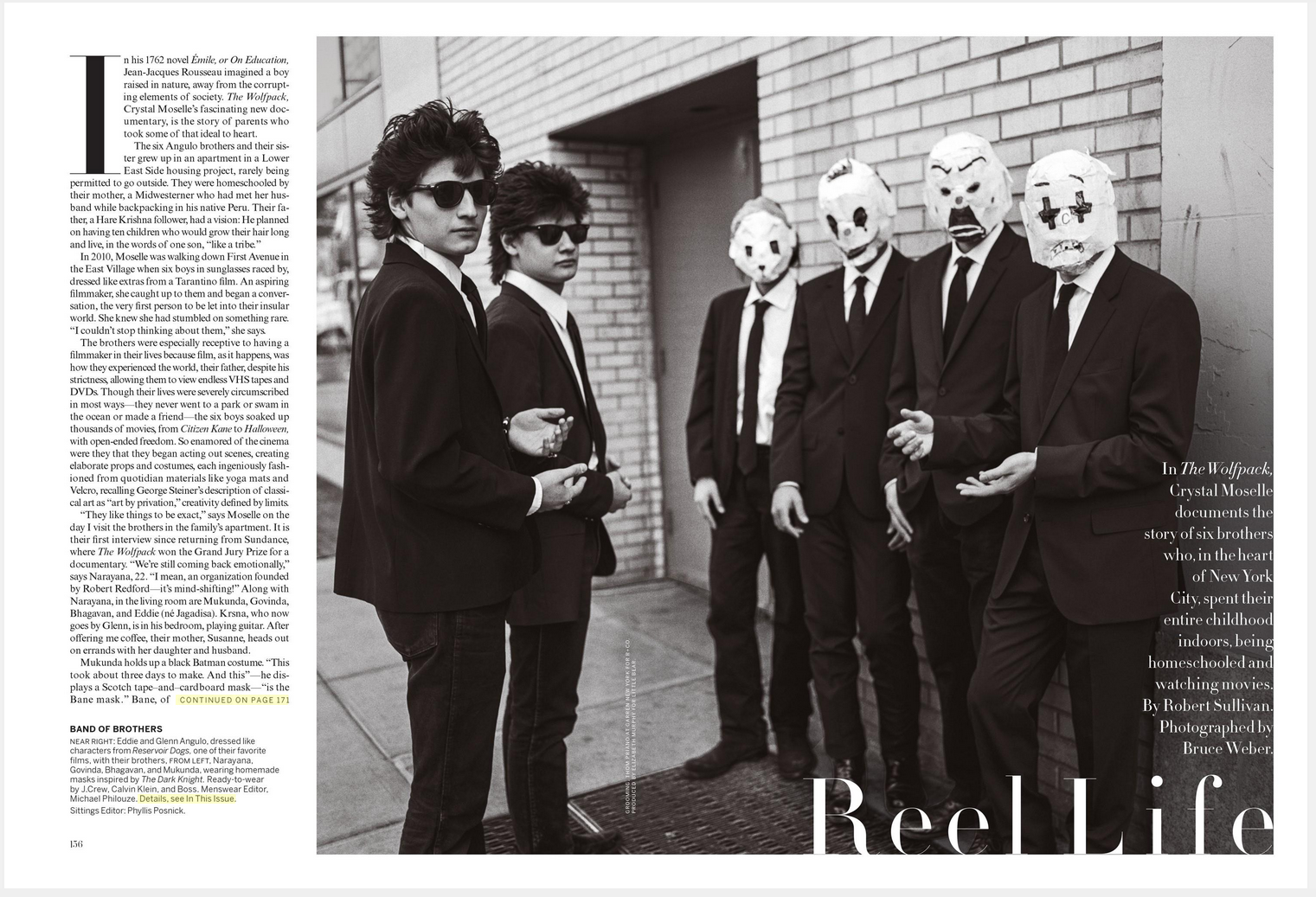
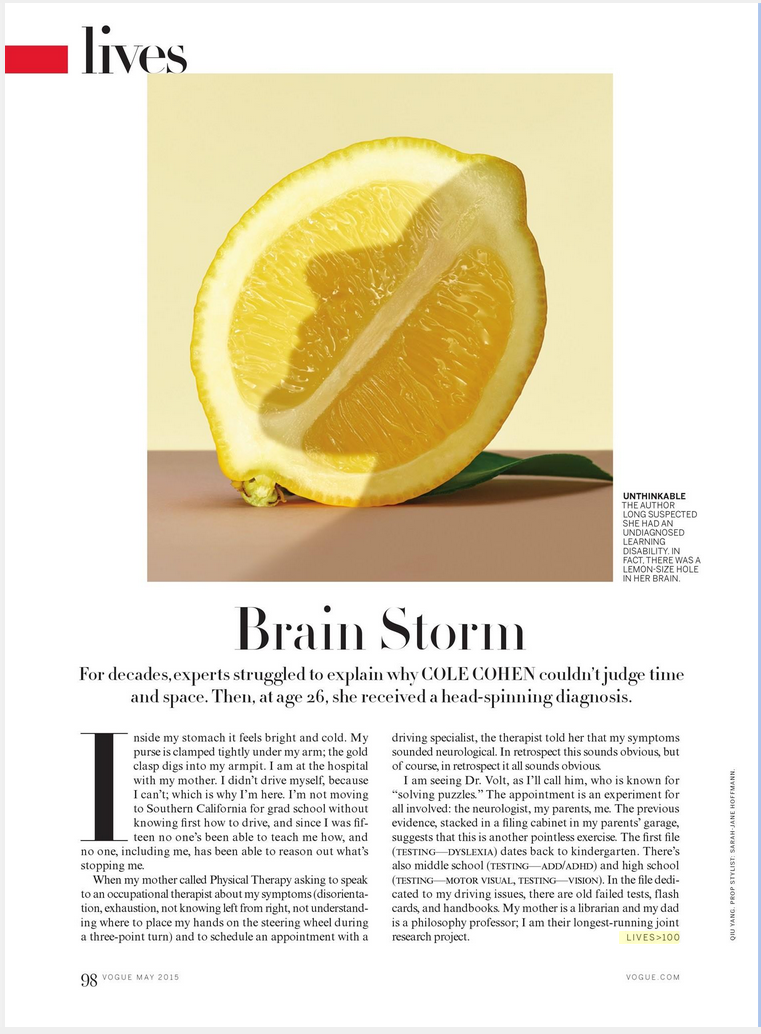
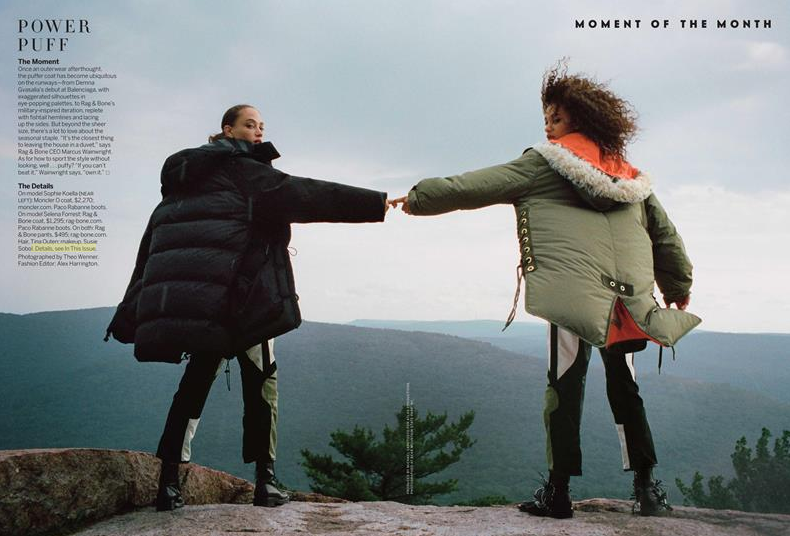
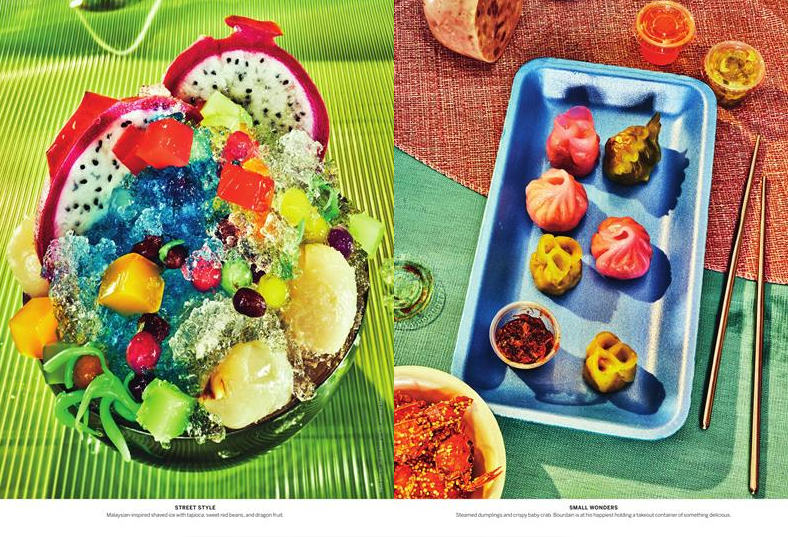
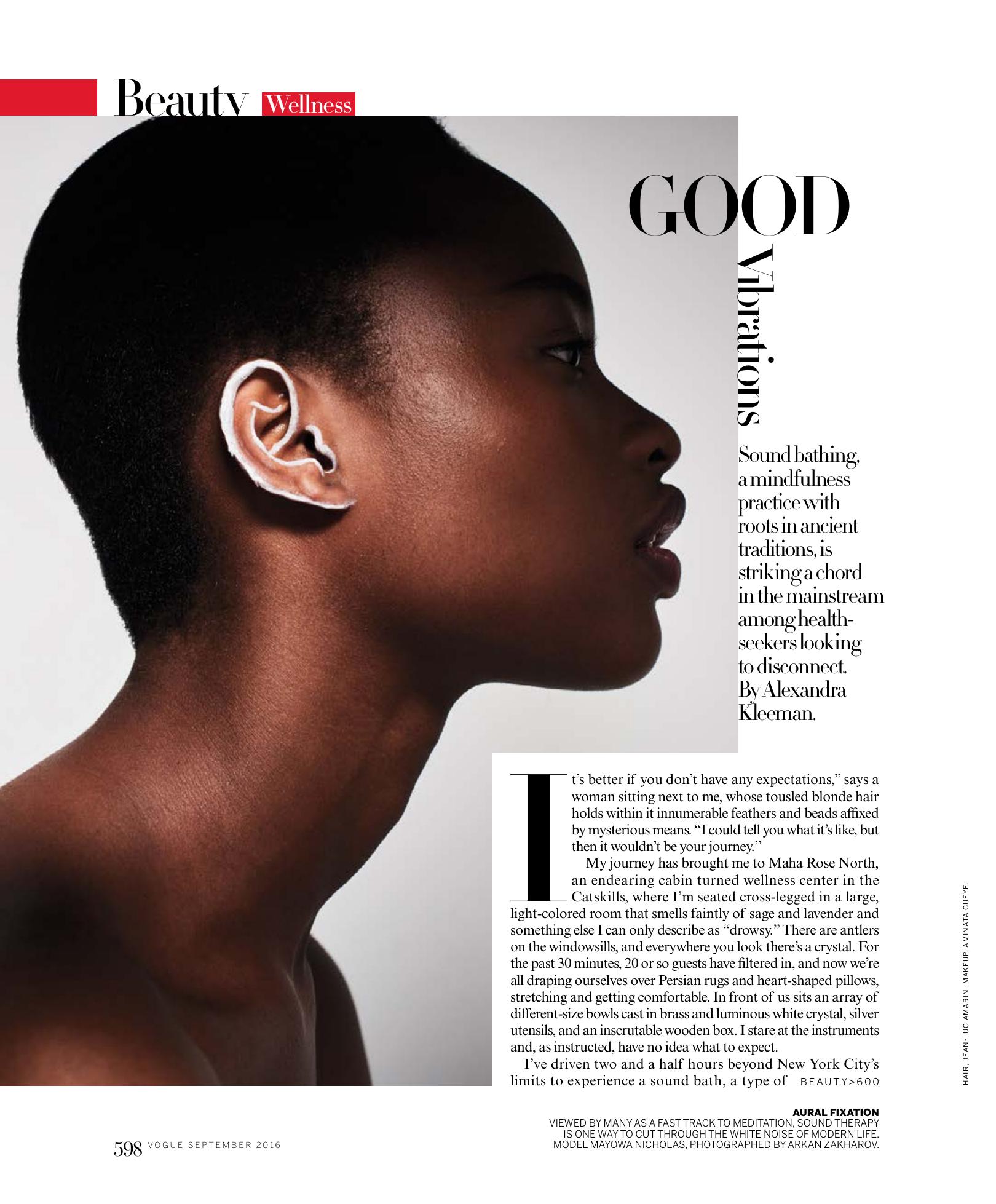
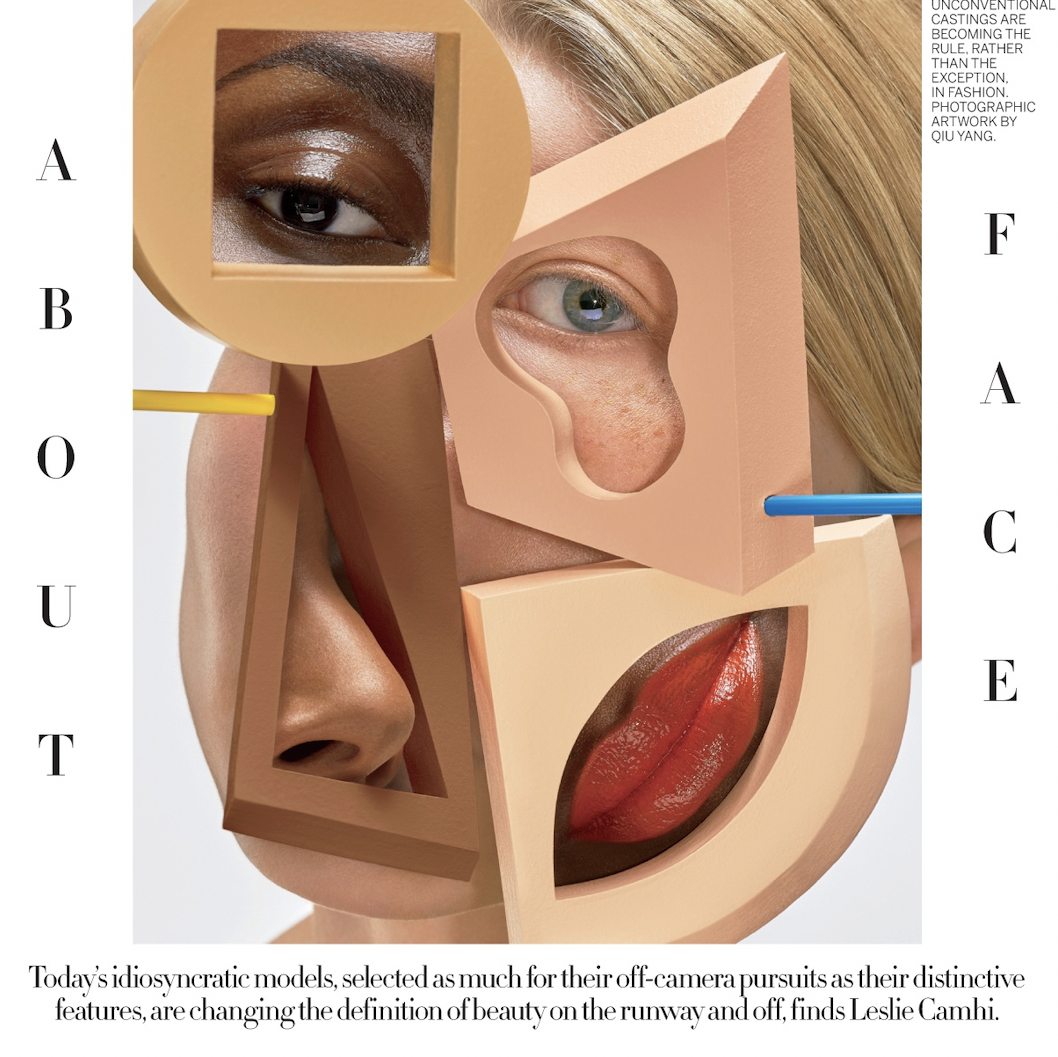
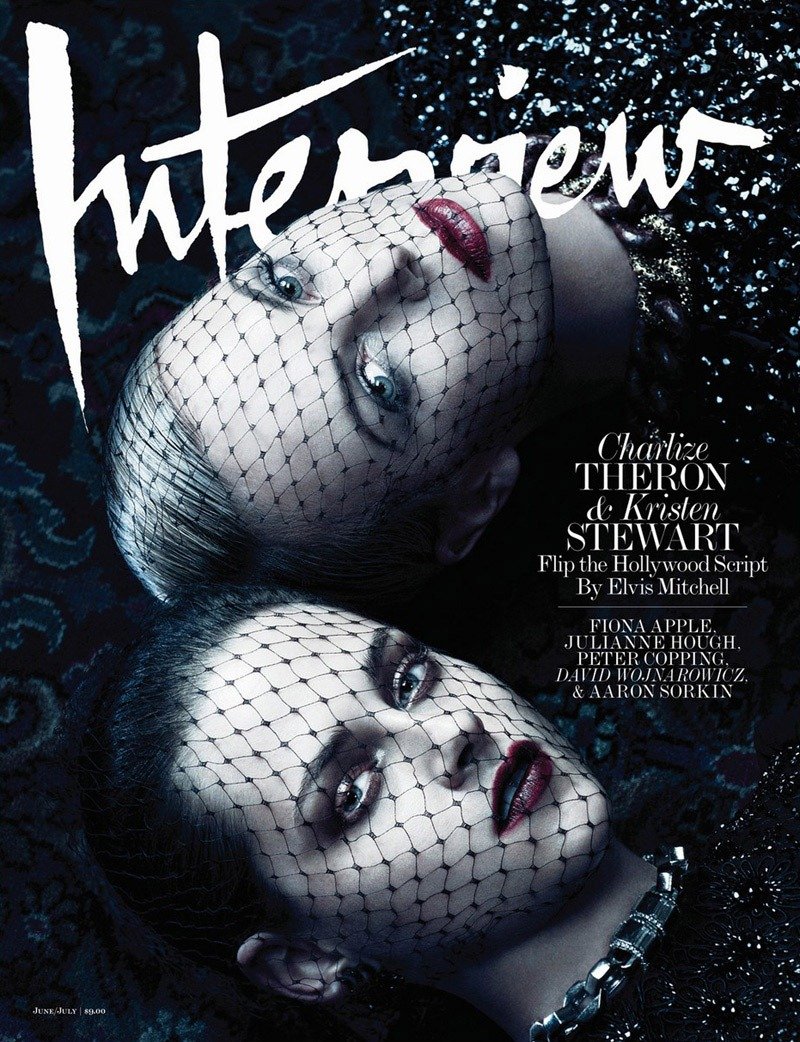
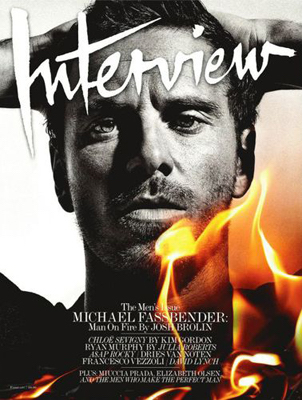
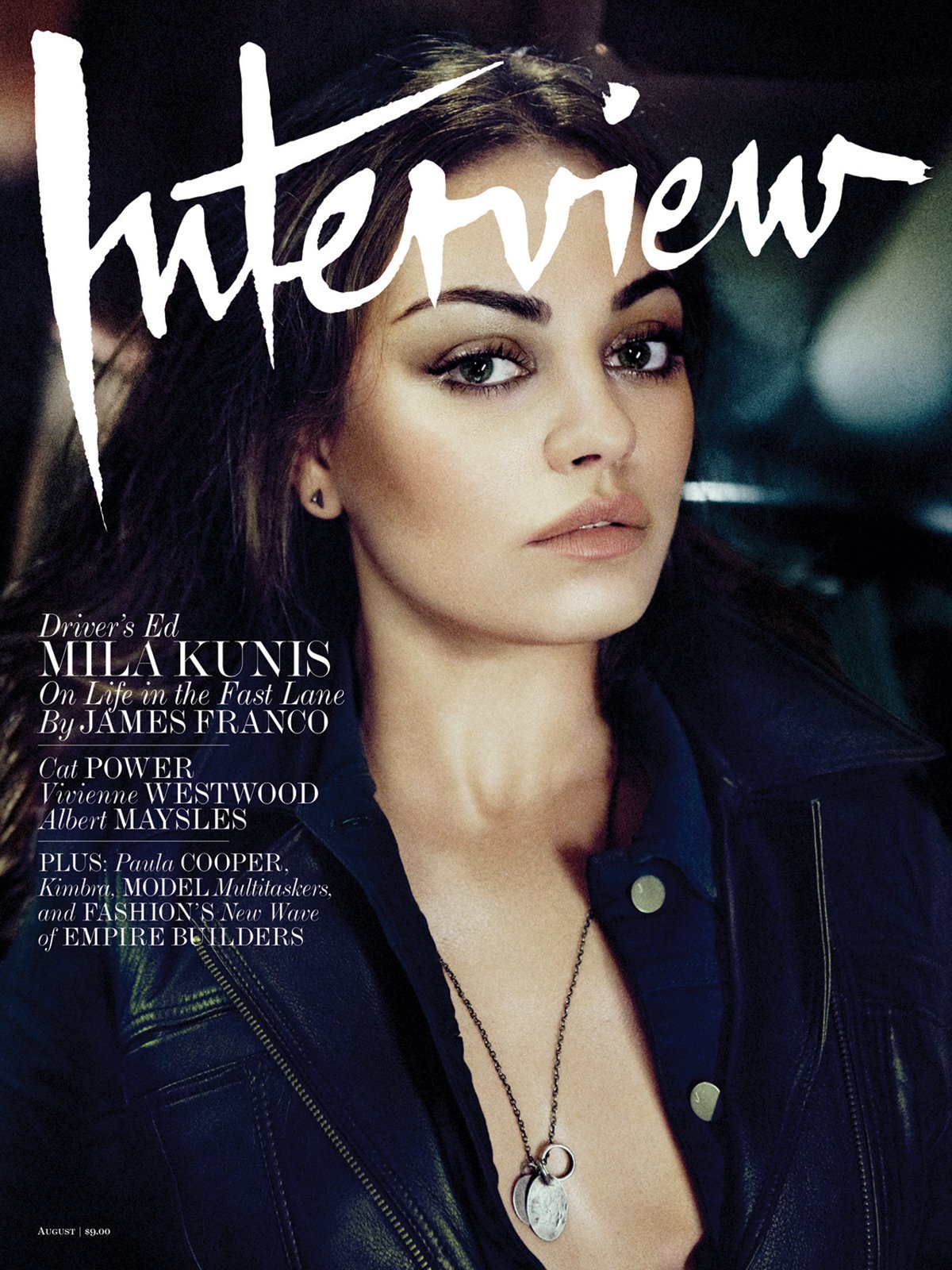
Interview Magazine.
Photo direction at Interview meant balancing cinematic ambition with cultural immediacy. A great editorial portrait says one thing about the subject, very clearly — and trusts the reader to do the rest.
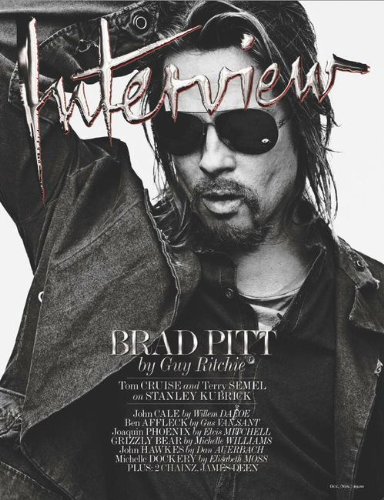
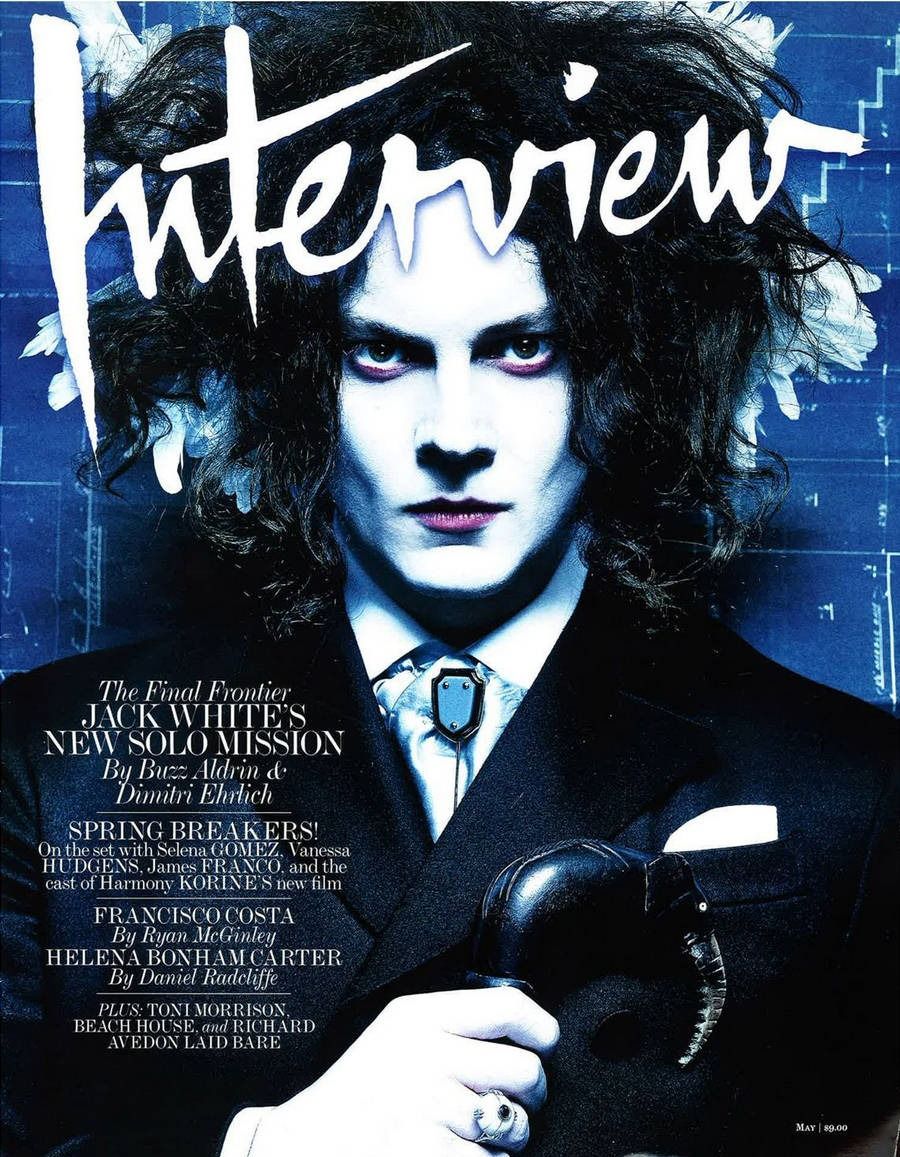
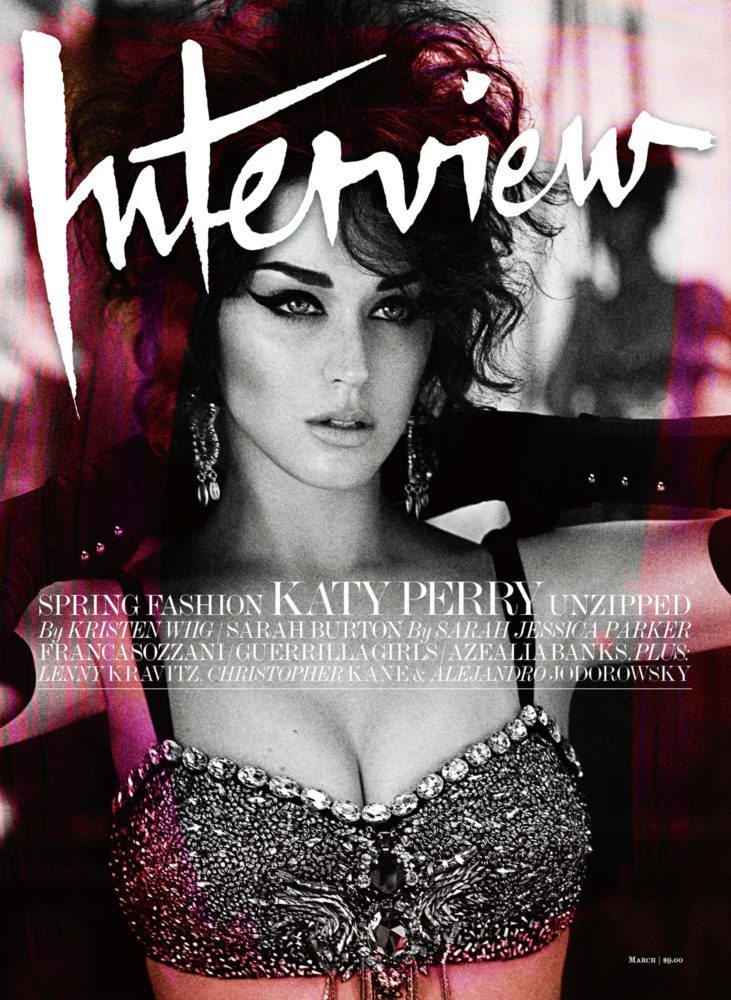
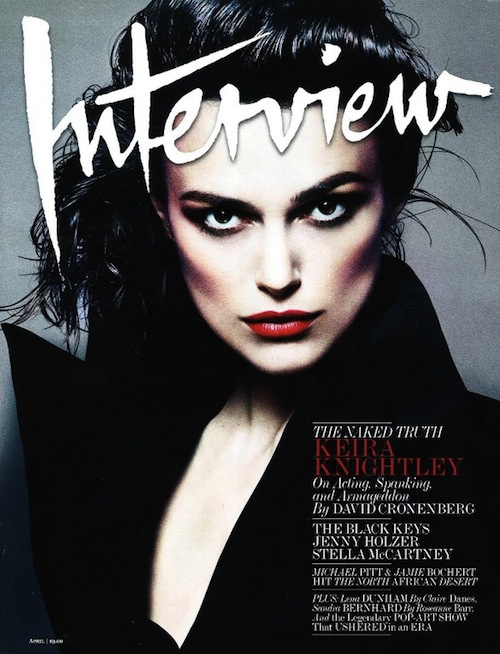
NARS — concepts the brand had to stop apologizing to use.
Three briefs, three different ways of stopping the apology. Each one started with a cultural question the brand had been dancing around and tried to answer it without hedging.
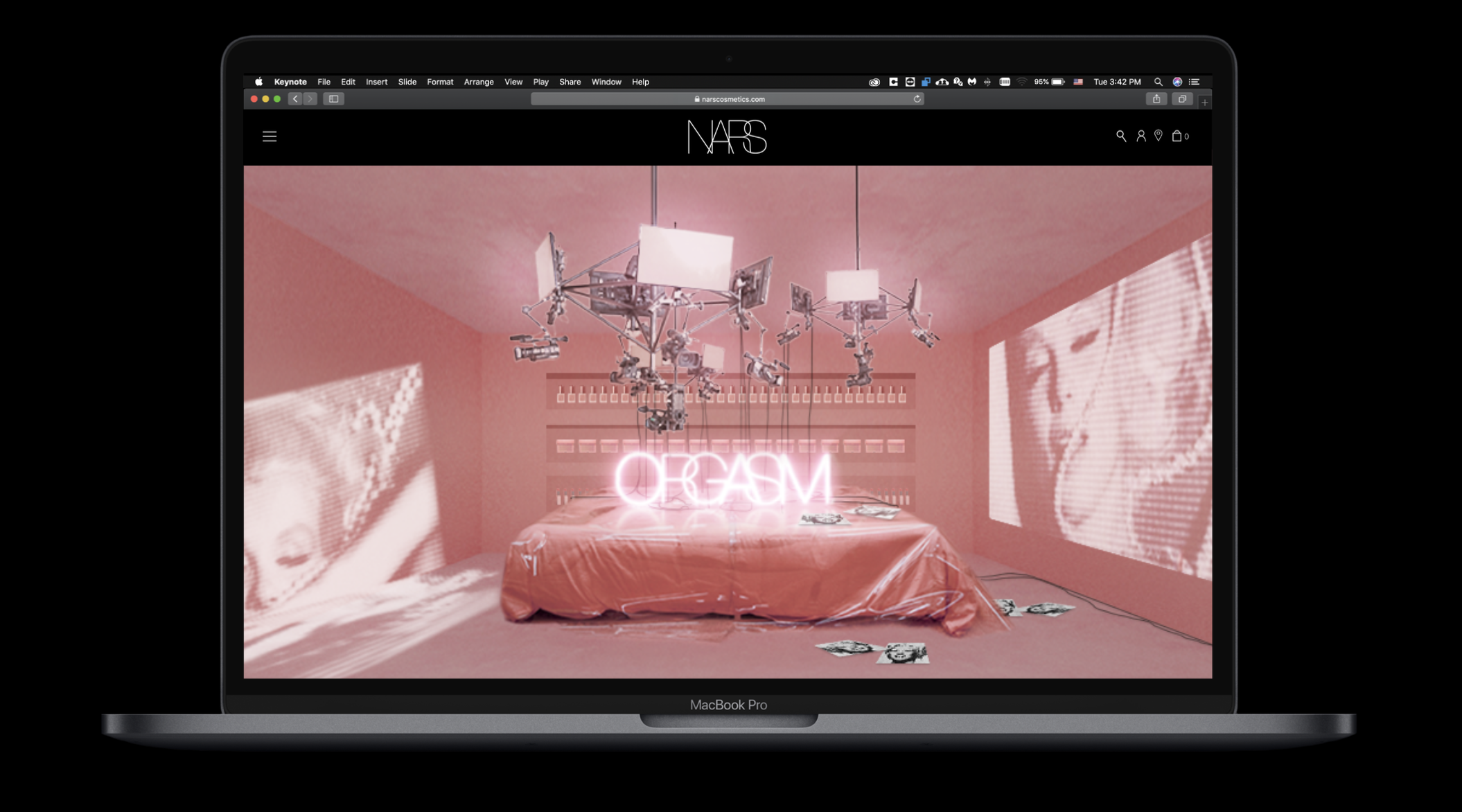
Orgasm — Hot Line.
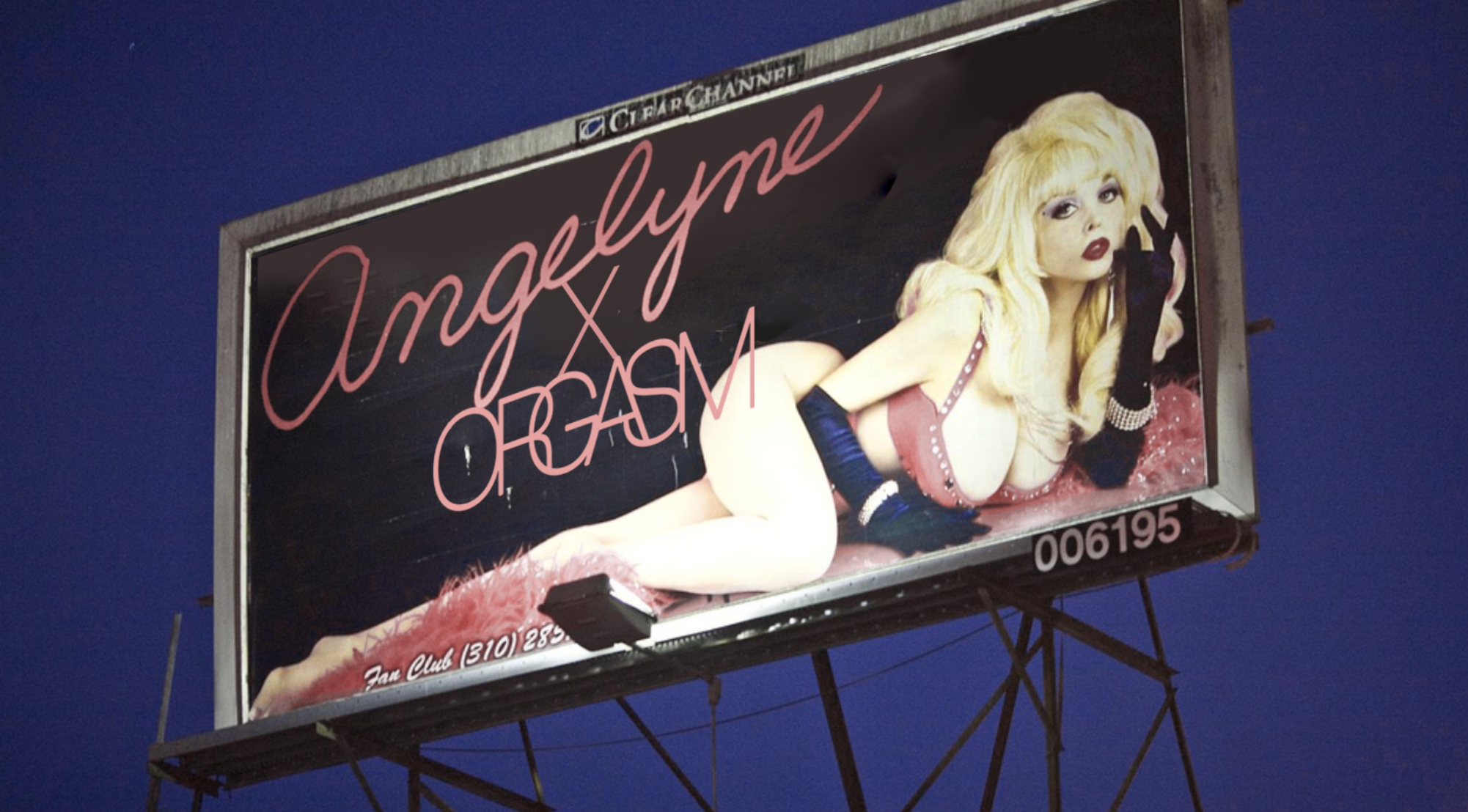
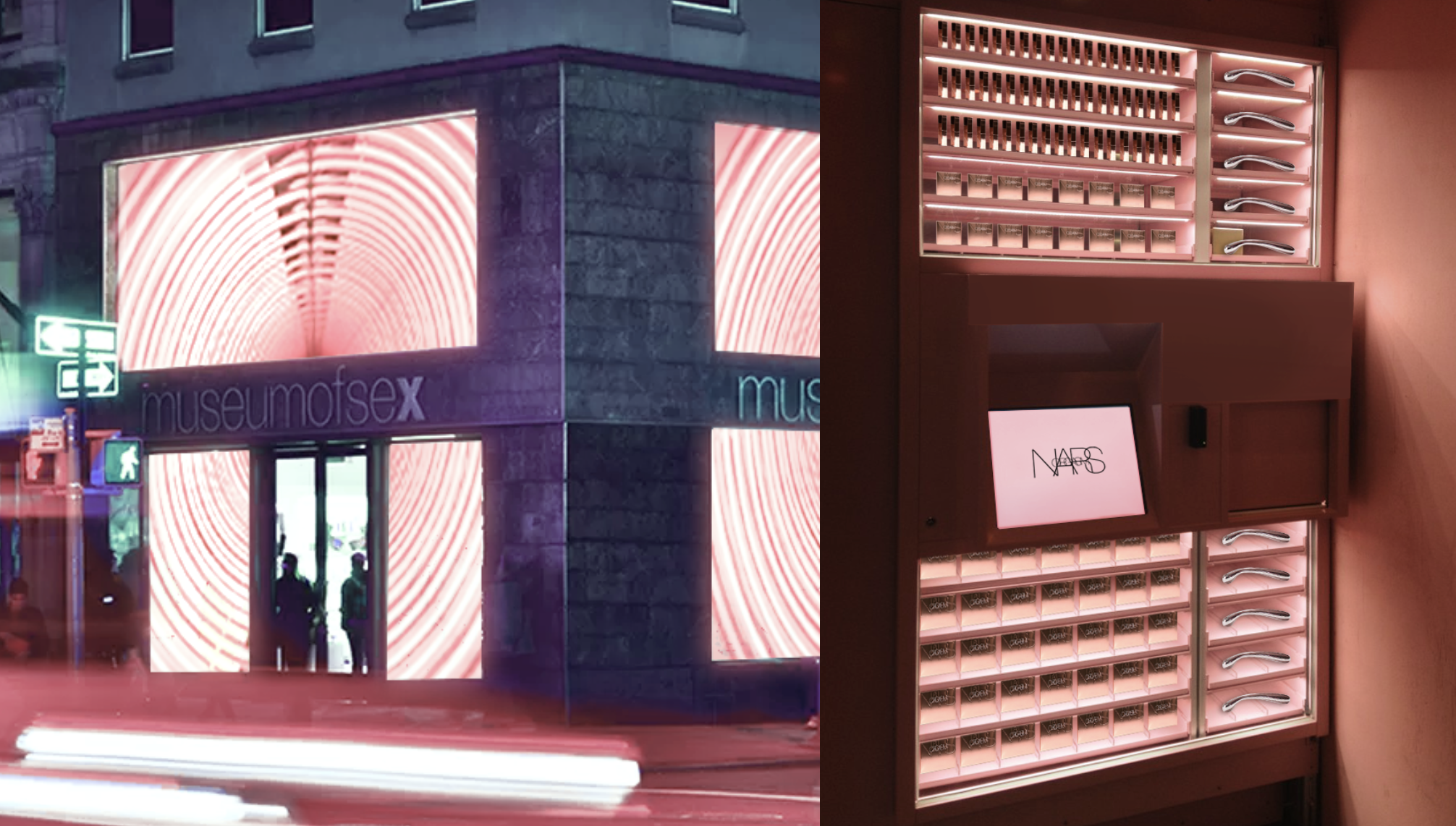
The line had been NARS' most famous product for a generation. The marketing had treated the name like an inside joke, slightly embarrassed of itself. We took the embarrassment out. The Hot Line concept reintroduced Orgasm as a sex-positive franchise — Angeline-led OOH, a Museum of Sex takeover, IG Live conversations with leading voices in sex positivity. The repeating line — "One Orgasm Every Thirty Seconds" — worked because it didn't flinch.
Summer Edit — Bronze On The Go.
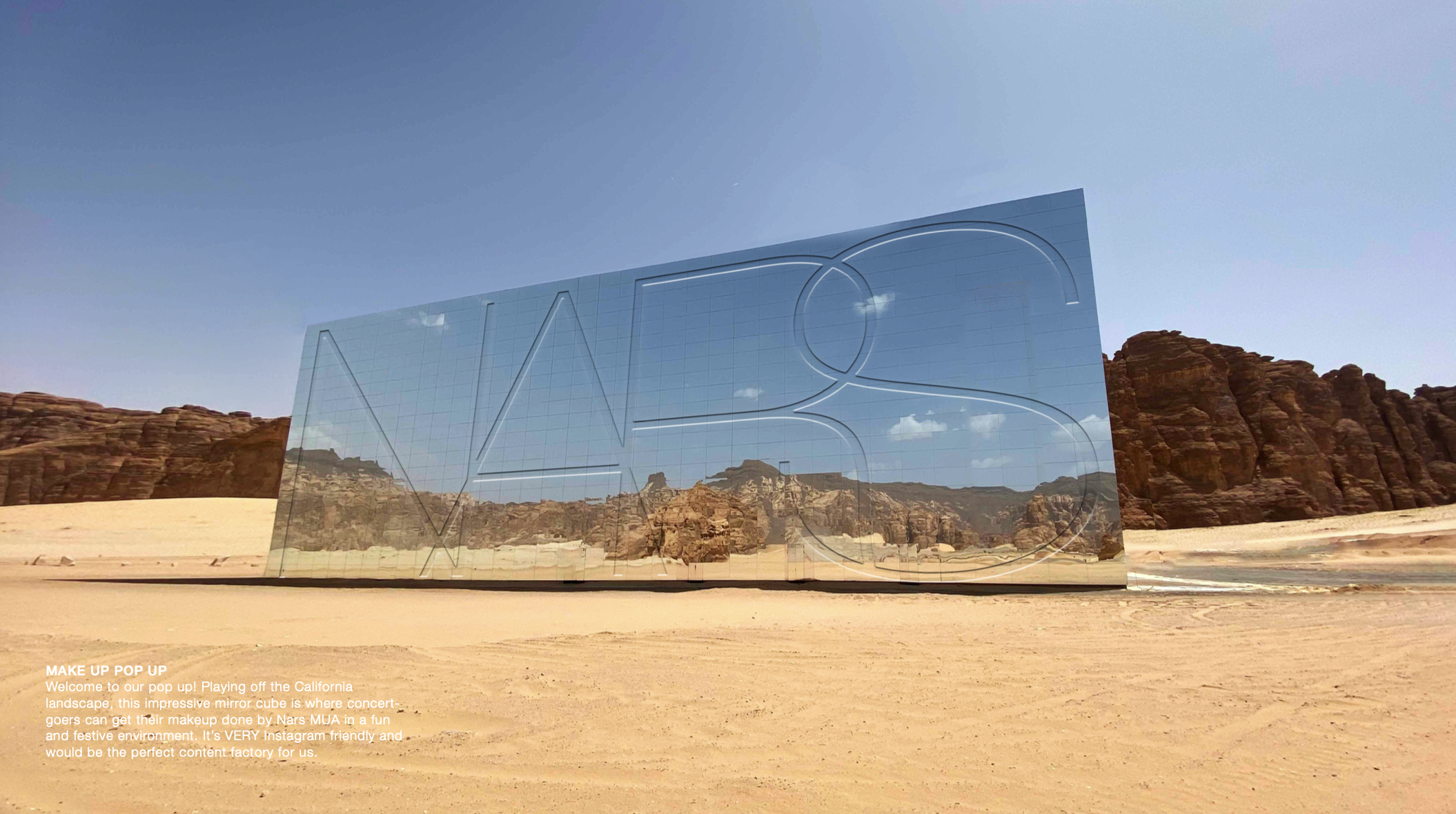
A festival-driven bronzing world. A mirrored desert cube at Coachella as a real-time content engine; a Honey Dijon collaboration with a TikTok remix challenge; "30 minutes away" posters that paired real sand textures with destinations named after NARS shade tones. A bronzer becomes a swipe-away vacation. The wit is doing the strategy work.
House of NARS.
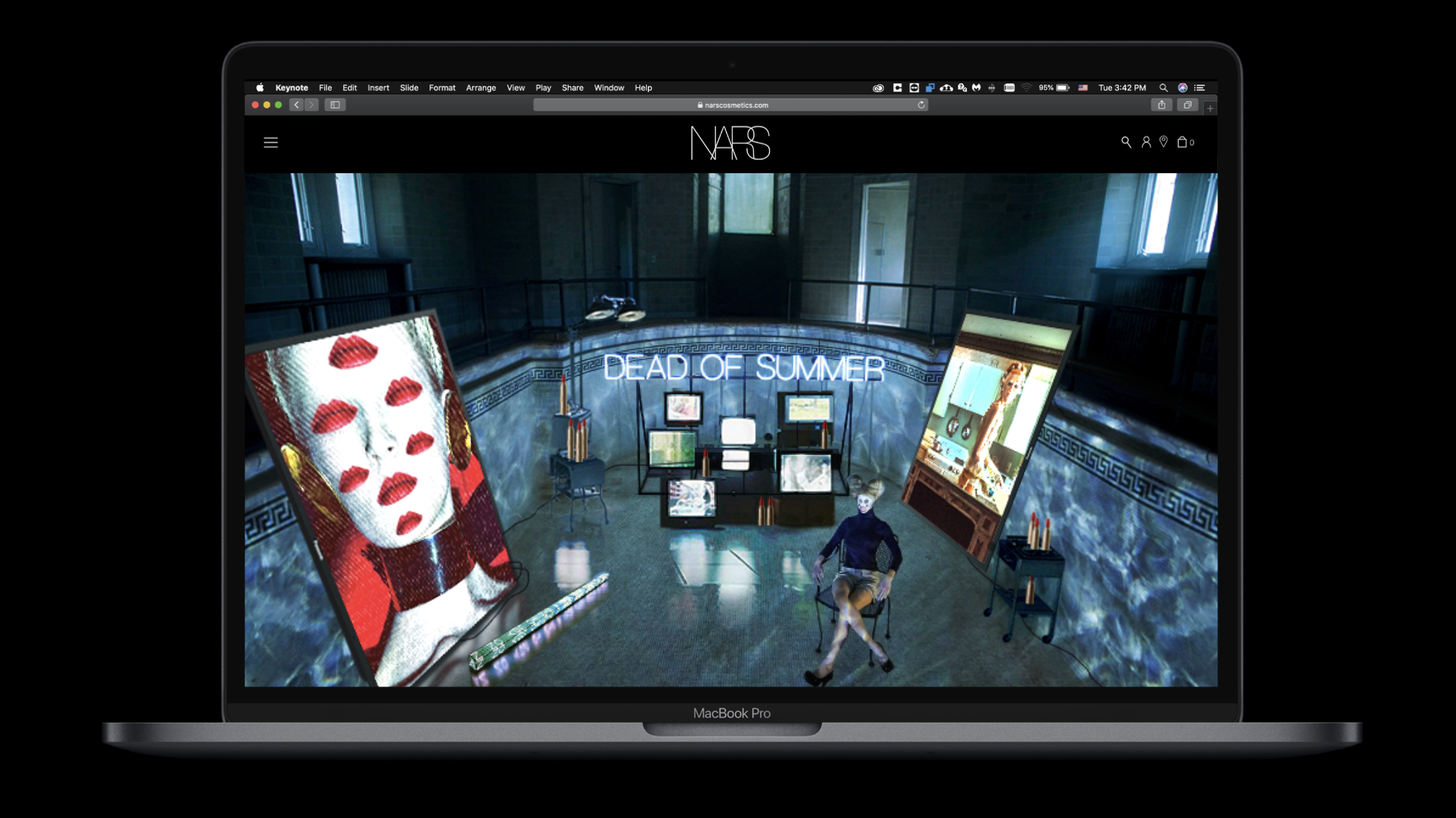
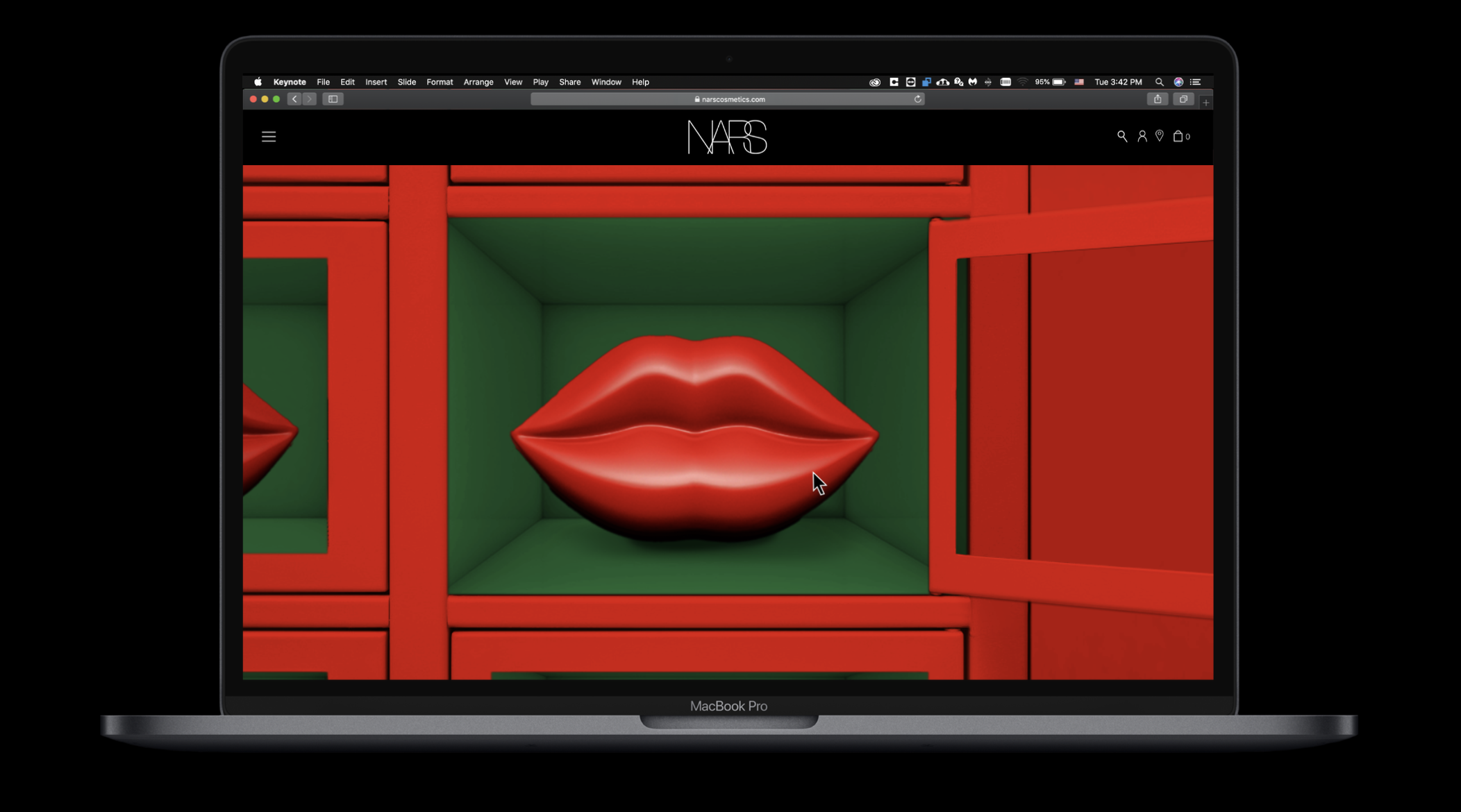
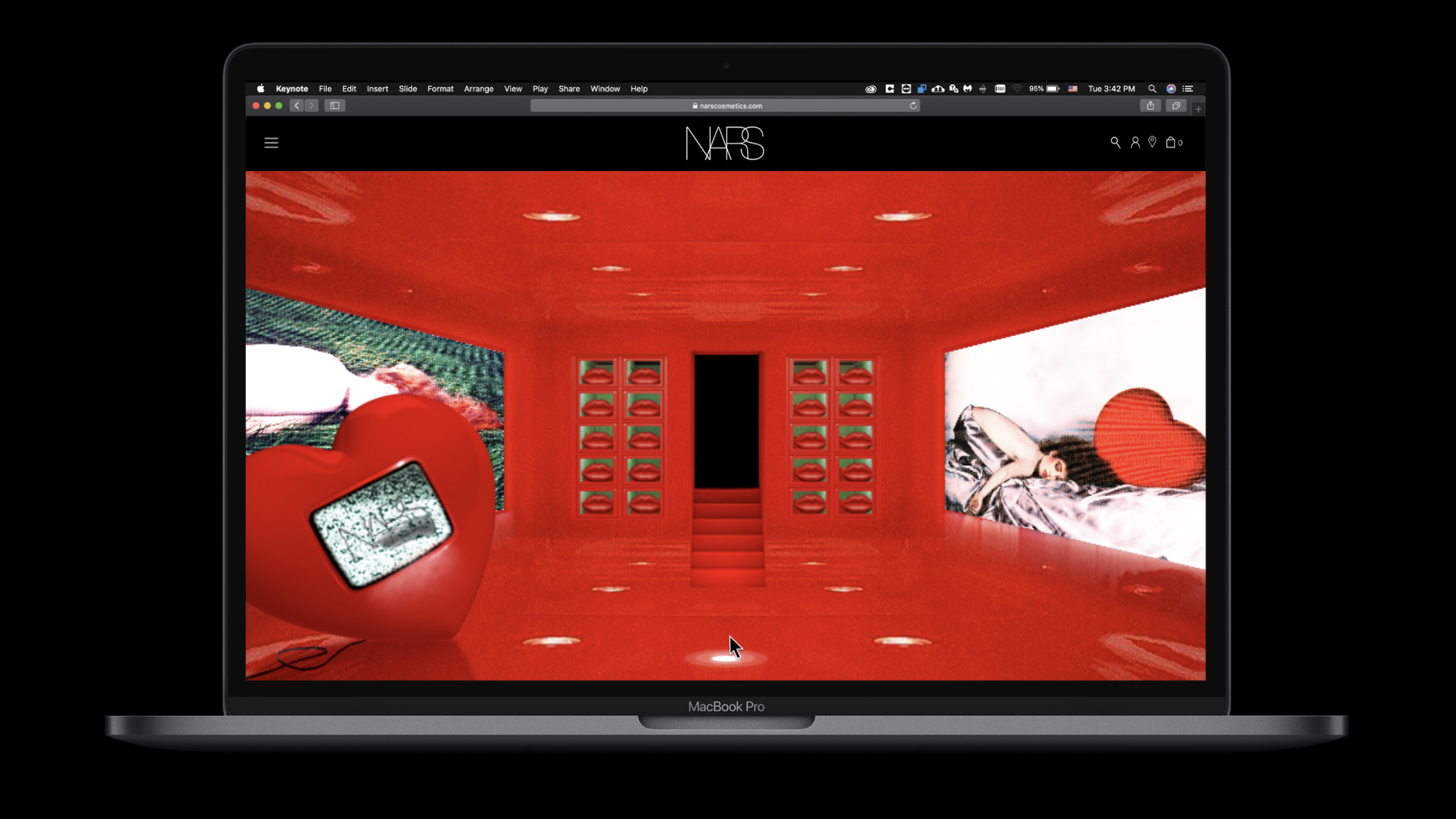
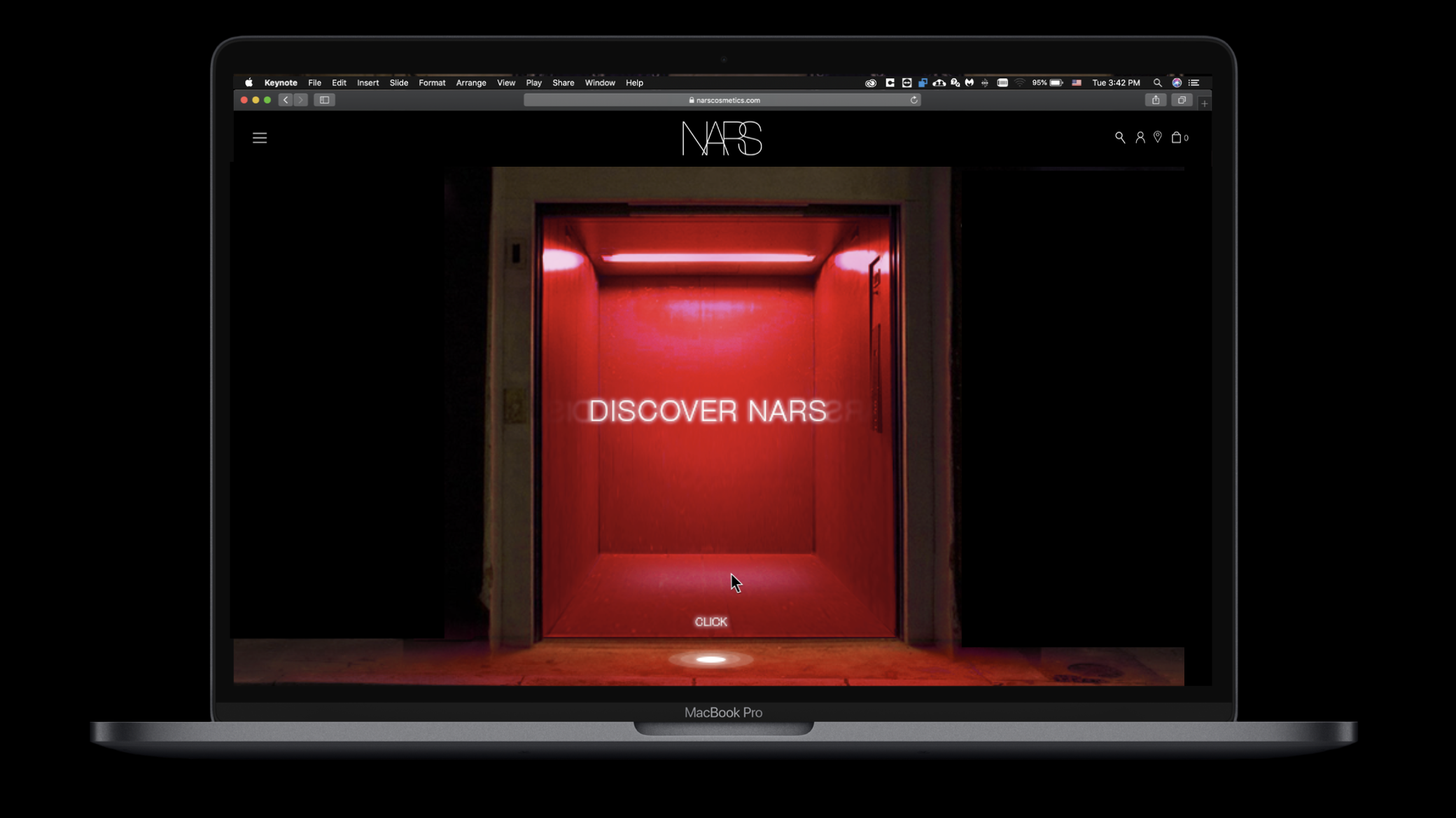
An immersive "House of NARS" built for Gen Z and the China market — a digital walkable space where each room reintroduced an iconic NARS moment. A brand built for the metaverse without ever using the word.
House of NARS — metaverse walkthrough
Permanence is the open lane.
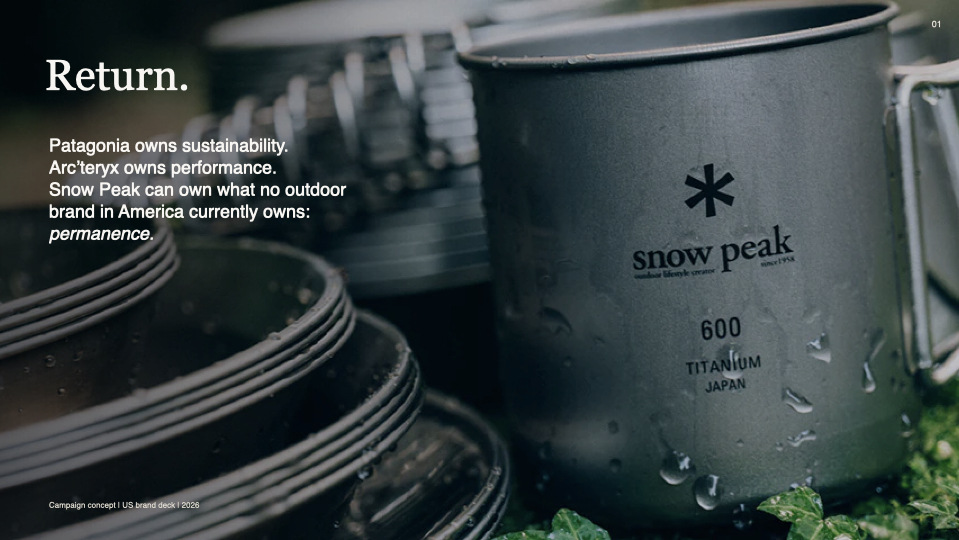
A US brand campaign for a sixty-seven-year-old Japanese outdoor brand that most Americans haven't heard of yet.
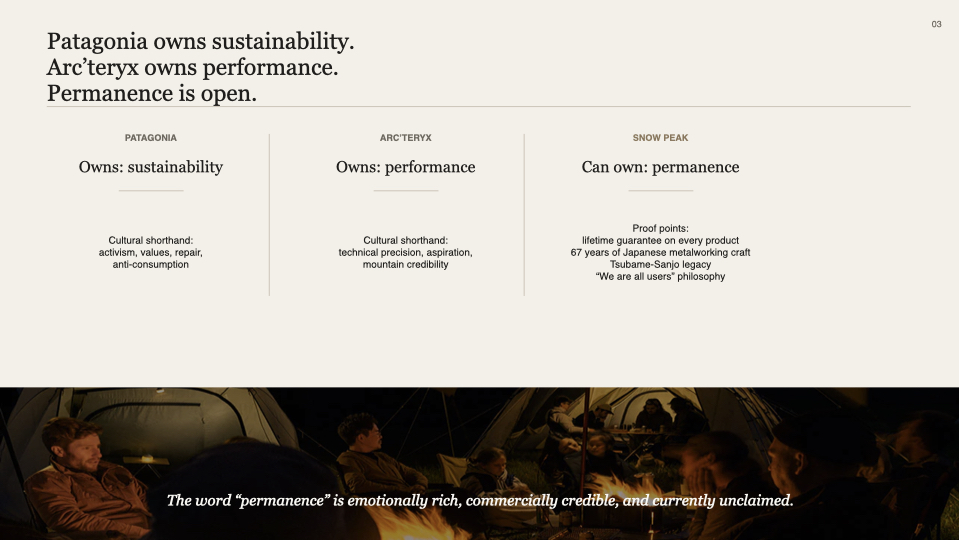
The argument is simple. Patagonia owns sustainability. Arc'teryx owns performance. Snow Peak can own what no outdoor brand in America currently owns — permanence. The campaign isn't about gear. It's about a different relationship to stuff.
This is the third tier of the work on this site: creative direction at the level of the brief. Not the photograph, not the campaign film, not the production. The shape of the argument before any of those exist.
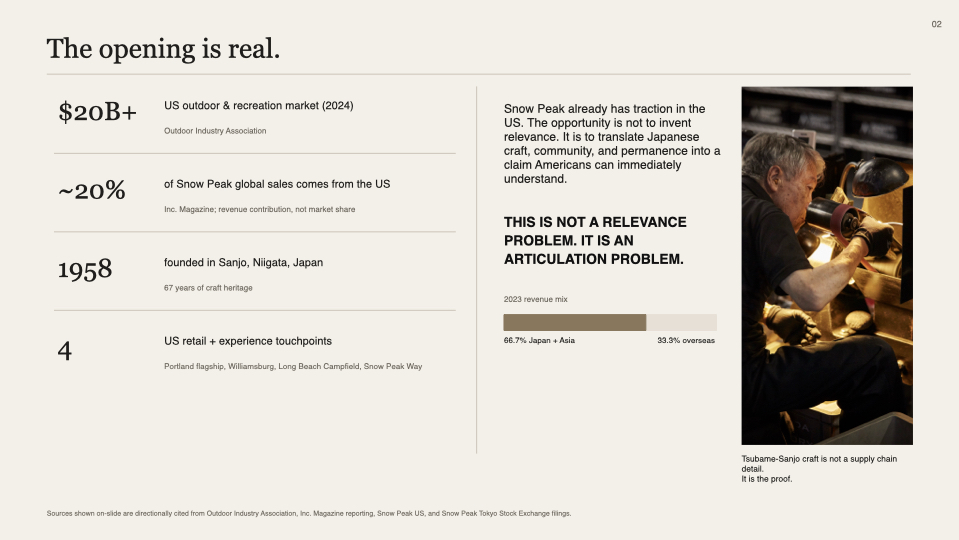
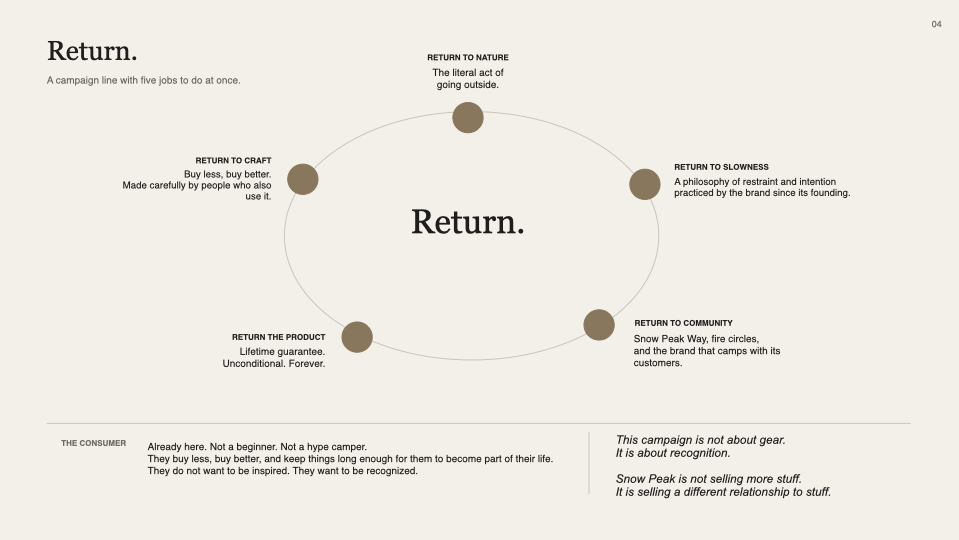
The deck argues for a campaign about recognition rather than reach. Snow Peak doesn't need new customers as much as it needs to be seen, accurately, by the ones it already has — a customer who buys less, buys better, and keeps things long enough to become part of her life. She does not want to be inspired. She wants to be recognized.
The five "Returns" — to nature, craft, slowness, community, and the product itself — are not five different campaigns. They are five jobs a single campaign line is asked to do at once. Permanence is the word that makes that possible.
This is not a relevance problem. It is an articulation problem.
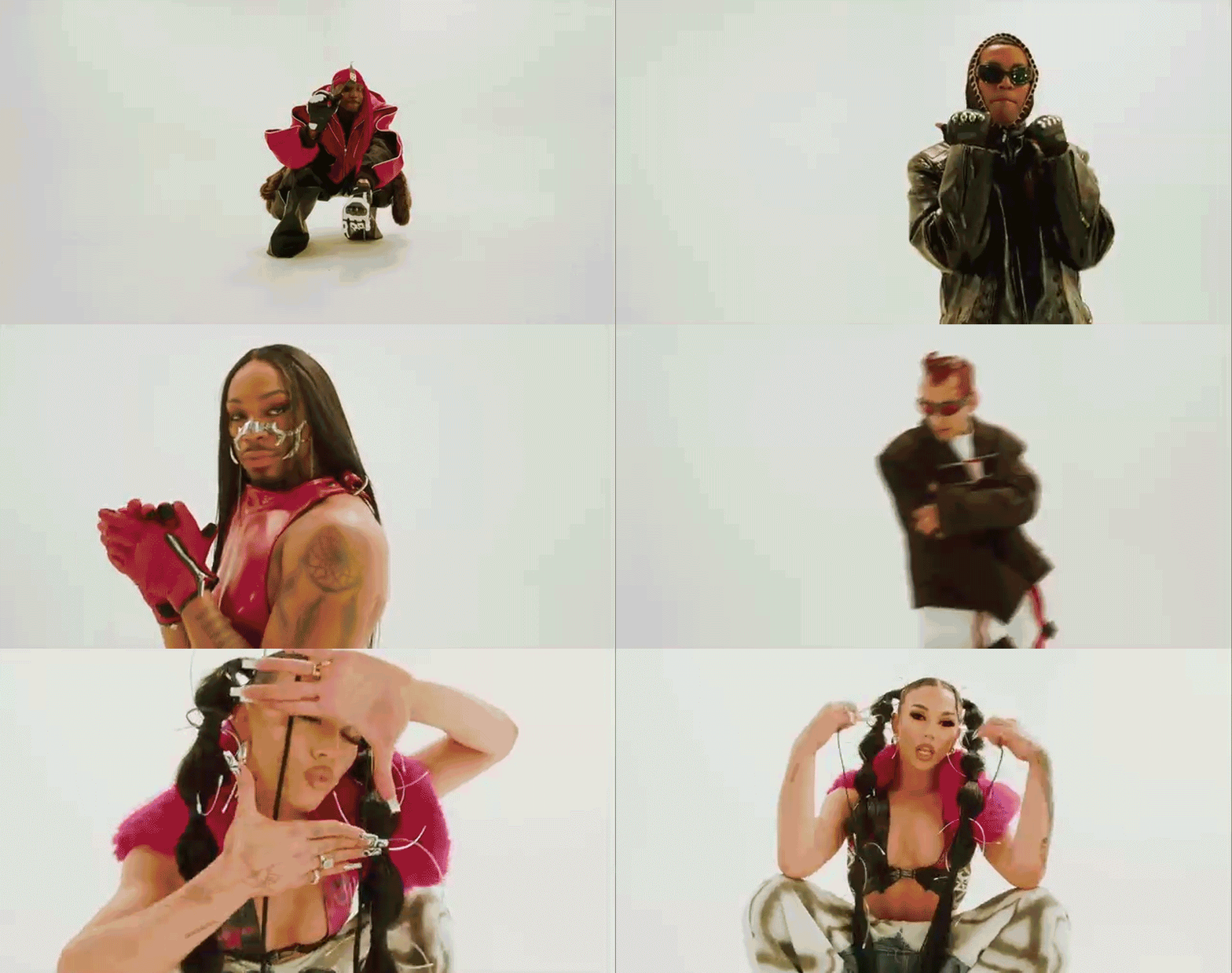
DanceOne.
My Role
I built and scaled a multi-city content engine for a national touring brand, managing strategy, capture, production, and delivery across major events.
The Task
The job was to turn scattered event capture into a repeatable content operation: clearer strategy, better playbooks, faster approvals, and output that matched the speed and emotional language of competitive dance culture.
DanceOne is the largest force in competitive dance and has a Gen-Z audience that lives on TikTok. The brief wasn't to make ads — it was to build the operating system behind a content engine that could keep up with live events across cities.
I rebuilt the multi-city content system: a strategy organized around choreography trends, backstage fashion, and TikTok-native storytelling. Capture playbooks, SOPs, and a cross-functional workflow connecting producers, editors, operators, and event staff.
The shift was from "asset production" to "a content practice that runs on its own." Stronger visual identity. More emotional, fashion-driven storytelling. Output that matched the energy of TikTok dance culture rather than translating it into something the brand could live with.
Comfort Fedoke joins OVATION
OVATION Apparel — Streetwear
This Is KAOS
The One Nationals
A small collection of pieces about brand work, written for people who can tell.
A portfolio shows what you've done. These show how I think. Frameworks, observations, and annotations from the practice — short pieces, no images, no subscribe form.
The Job Title Can Change. The Skill Does Not.
Creative careers are weird on paper.
Mine definitely is.
Photography editor. Integrated visual director. Digital art director. Creative director. Director of content strategy and operations. Brand consultant. Creative strategist, depending on who is asking.
I understand why that can look confusing.
But from the inside, it has always felt pretty clear.
The title changed because the room changed.
At first, the room was editorial. The job was the image. What does the picture say? Why does it matter? Why this person, this photographer, this styling, this moment?
Then the room became the brand. The question got bigger. Not just what should the image look like, but what should the brand actually be doing? How does it show up online? How does it earn attention? How does it stop sounding fake?
Then the room became the system. The campaign was not enough. The job was the machinery around the campaign — the calendar, the team, the channels, the approvals, the content engine, the operating rhythm.
Different titles.
Same basic job.
Make the unclear thing clear enough to move.
A lot of modern creative work happens inside limbo whiplash. The brief changes. The business changes. The audience moves. The platform shifts. Someone changes the goalpost. Someone else needs the deck by Friday.
Everyone is trying to make good work inside a moving room.
That is where the real skill is.
Not just taste.
Taste matters. I care about taste. I probably care about it too much.
But taste alone does not get a team through complexity.
The useful person is the one who can walk into the mess and start finding the shape of the thing.
What is the actual problem?
What are we really trying to say?
What is the customer already noticing?
What decision needs to be made first?
Where is the work getting stuck?
What needs a system, and what needs to stay loose?
That skill translates.
For a Creative Director, it becomes visual and conceptual direction.
For a Creative Strategist, it becomes the argument inside the brief.
For a Marketing Manager, it becomes the bridge between the idea, the audience, the channel, and the calendar.
For a Brand Director, it becomes the ability to make the brand behave like one coherent thing.
For a Content or Creative Operations role, it becomes the system that lets the work happen at scale without losing the point of the work.
I used to think these were separate disciplines.
I don’t anymore.
They are different expressions of the same muscle.
The muscle is turning chaos into cadence.
That does not mean making everything rigid. I hate rigid systems. They usually exist to protect people from having to think.
Good structure is different.
Good structure creates sanity.
It gives people something to stand on.
It turns scattered opinions into decisions.
It makes speed less chaotic.
It protects creative people from spending all their energy interpreting the work instead of doing the work.
It makes the next right thing possible.
That is the through line in my career.
Editorial taught me what an image can do.
Brand work taught me how a company earns trust.
Digital taught me how fast the audience moves.
Operations taught me what breaks when nobody builds the system.
Strategy is where all of that becomes one job.
So yes, the titles have changed.
The skill has not.
I make the unclear thing clear enough to move.
On the camera and the machine.
When photography first arrived in the 1800s, people dismissed it as a cheap trick.
Painters panicked. Critics said it required no talent.
The same fears we hear about AI today.
I studied photography at Pratt. I learned image making through light, composition, intention, and craft.
I also grew up watching technology evolve. I have always been drawn to how visual language travels across new mediums.
My career has moved through brand, campaign, and digital work, driven by one question: how can imagery shape culture and connect with people in more meaningful ways?
AI and spatial tech feel like the next natural chapter in that evolution.
Here is the pattern I keep seeing.
New tools do not kill creativity. They expand it.
The camera did not replace painting. It opened new forms of expression for those willing to explore them. AI is asking us to do the same.
The core skills that matter in visual storytelling have not changed: taste, perspective, meaning, emotion. Those only become more valuable as the tools evolve.
I am not interested in using AI to replace creativity. I am interested in using it to expand what a creative director can be today.
Too many roles keep creativity in a narrow lane. I want to bring everything I know about imagery, culture, and story into spaces that invite experimentation — new tools, new forms of expression.
AI will not replace image makers.
Image makers who embrace it will shape what image making becomes.
On working with the machine.
I once had a boss who thought it was a flaw that I couldn't make photo-quality mockups in Photoshop.
They wanted pixel-perfect comps before we had validated the idea.
I remember thinking: I'd rather spend my time making the idea better.
That friction shaped how I think about creative leadership.
Fast forward to now. That boss's work looks exactly like it did then — same visual language, same approach, same energy. The industry moved on. Platforms shifted. Audiences evolved. The tools exploded.
The future of creative direction isn't about who can render fastest. It's about who has the clearest thinking, the strongest ideas, and the ability to move at the speed culture demands.
That is where AI changes everything.
I use AI the way I used to work with a great copywriter — as a collaborator that speeds up iteration without replacing judgment.
Midjourney and DALL-E let me explore visual directions in minutes. I can test five concepts before a kickoff and walk in with clarity, not guesses.
ChatGPT refines messaging and helps me think through positioning faster. It is like having a copy editor on call.
AI production tools let us create three times the variations in half the time.
AI is infrastructure. It removes friction so creative teams can focus on what matters: the thinking, the taste, the cultural instinct no tool can replicate.
The old model rewarded technical virtuosity — who could build the most polished deck, who could stay in Adobe the longest.
The new model rewards velocity and clarity. Getting to the right idea faster. Testing with real data. Building systems that scale. Staying platform-native and culturally fluent.
AI doesn't replace creative directors. It separates the ones who lead with ideas from the ones who hide behind execution.
The machine produces the volume. The choosing is still the job.
In an industry where most of the labor cost was always in the executing, the executing cost is collapsing. The judgment cost is what's left.
That makes taste, position, and conviction the actual scarce resources. People who can decide become more valuable. People who can only execute become less.
This portfolio was rebuilt with the machine as a daily collaborator. It is not the part of the work that should be hidden. It is the part of the work that explains how I am still here — still arguing, still making things that mean something.
The machine made the volume cheap.
It made the conviction obvious.
On the moves I made.
The cleanest version of a creative career is one company for thirty years.
I do not have that career.
The next cleanest version is two companies — early years somewhere prestigious, mid-career at the company you build into a thing. I do not have that career either.
What I have, on the page, is editorial, then beauty, then haircare, then dance, with two freelance periods threaded through.
Read one way, that arc looks chaotic.
Read another way, it is the only path that gets me to the work I am actually trying to do.
I started in editorial because the magazine was the room where culture decided what mattered. When the magazine stopped being the only room, I left it. I went inside heritage beauty because the next room was the brand itself, and you cannot understand how a brand earns trust without seeing how it actually behaves on a Tuesday.
I went DTC because scaling without losing texture is one of the hardest problems in modern brand work, and I wanted to see how the levers actually felt. I went to live content systems because cultural attention had migrated into a place that few people who came up in editorial knew how to operate in.
Every move I made was a vote against staying inside one literacy.
I took freelance periods between roles for a reason that is easy to explain and hard to advertise: I did not want my next job to decide what I thought for me. Both periods produced some of the most original strategic work on this site. Snow Peak, the NARS conceptual work, the pitches I am still building toward — they were made in the rooms where nobody outranked me into a different opinion.
What I have learned, from making the moves I made, is that the brands that matter for the next decade are not going to be solved by editorial taste alone, platform fluency alone, or strategic confidence alone. They need somebody who has lived all three and is unafraid to argue with the brief.
I am one of a relatively small number of people who has done all three.
That is the job I am looking for now.
On the difference between a brand and a place to stand.
A brand is what a company says. A place to stand is what it does, every day, when no one is watching.
Most brands are brands. A few brands are places to stand.
You can tell the difference in about ninety seconds.
A brand has a brand book. A place to stand has a smell. A regular. An hour at which the door opens. A way of folding the bag.
A brand has a tone of voice. A place to stand has a person who answers the phone.
A brand has a positioning statement. A place to stand has a reason it would still exist if no one had thought to write the statement.
The reason this matters now, more than it did, is that the platform era trained customers to expect that a brand is the campaign and the campaign is the feed. Both of those things are decoration. They are not bad. They are just not enough.
The customer who has spent ten years scrolling has become very good at seeing through decoration. She is not articulate about it. She doesn't post about it. She just doesn't come back.
This is the part the dashboards miss. The metric for will not come back is unfilled.
The brands that are working right now, quietly, are not the loudest ones. They are the ones whose product, language, store, packaging, and Sunday hours all answer the same single question. The customer can feel the answer before she can name it. That is what trust is. It is a feeling she had before she had a thought about it.
A brand asks: how do we appear to her?
A place to stand asks: what is she actually doing here?
The second question is harder. It has fewer experts. It pays better in the long term and worse in the short term.
Most clients want the first. The interesting clients want the second.
On what the customer already knows.
Most briefs assume the customer is somewhere behind us.
That she needs to be educated. Persuaded. Walked carefully toward the conclusion the brand has already reached. The campaign is the explanation.
The customer is rarely behind us. She is usually ahead of us. She has seen ten years of versions of the thing we are about to show her. She knows the angle before the angle has been chosen.
You can see this in two places, very clearly.
The first is retouching. For most of the last decade, retouching was the unstated language of beauty. It said: we have decided what is acceptable, and we have made it perfect for you. The customer learned to read the language. Then she learned to dislike it. Then she learned to distrust it. By the time brands started un-retouching, it had stopped being a gesture and started being a baseline. The customer was already there.
The second is celebrity endorsement. It used to be enough that someone famous was in the campaign. The customer would do the rest of the work. Now the customer asks, immediately: did they actually use this? did the photographer have any agency? whose idea was this? She wants to know if the relationship between the famous person and the brand is real. She can usually tell.
The brands that are working right now have made a quiet adjustment.
They have stopped trying to be more aspirational than the customer.
They have started trying to be more honest than the customer expected.
That is the move. It is harder than it sounds. It requires you to figure out what the customer is already noticing, before she names it, and to walk toward the noticing rather than away from it.
The brands that figure this out next will keep their audiences. The ones that don't will keep paying for media against people who already left.
What surrealism was actually telling us.
Two years ago Business of Fashion called the moment "surrealist marketing."
Big shoes. Mouths in cars. A handbag the size of a kitchen.
The pieces that called it surrealism were half right. The shoes are not the point. The shoes are the symptom.
The point is that customers stopped believing the previous register. The previous register was: a beautiful woman in a beautiful field, looking at the middle distance, slightly windblown. That register depended on her being more aspirational than the customer.
The customer caught up. Then the customer surpassed her.
The aspirational image stopped doing the job. The customer was already there.
So the brands did the thing brands do when their grammar stops working. They got loud.
Surrealism was the loud. The big shoe is a flare gun. It says: please look. We are still here.
That is a fine thing to do once. It is a bad thing to build a strategy around.
The brands that are going to come out of this period strongest are not the ones with the biggest shoes. They are the ones that figured out a quieter answer to the same question.
The question is: why should anyone notice you, again, on a Tuesday?
The loud answer is a giant inflatable boot. The quiet answer is harder. It usually involves a thing the brand actually does, or makes, or sells, that justifies its place in the room without the boot.
The brands without that answer will keep getting weirder until they exhaust themselves. The brands with that answer will keep being interesting after the trend ends.
On what gets called creative direction.
Most descriptions of creative direction make it sound like authorship.
The creative director, in this version, has a vision. The vision is good or bad. Everyone else executes the vision. Their job is fidelity. The director's job is conviction.
This is almost entirely wrong.
The best creative work I have made was made by people I had the good sense to invite into the room, and the better sense to leave alone once they were there.
Studio Radiance was a foundation campaign. The brief was modernization. The actual job — once you stripped the layers off — was to stop retouching. That was the position, that was the conviction, that was the line in the sand. I drew it.
Everything you can see in the actual campaign was made by other people.
Micaiah Carter and Campbell Addy decided what the photographs would look like. The cast — who were activists, athletes, artists — decided how to be in front of the camera. They decided what their homes looked like the day they were photographed in them. They decided which moments of their own week to film themselves. The makeup artists decided what the faces would actually look like. The cast edited their own footage.
I did not direct any of those decisions. I made it possible for those decisions to be made by those people.
That distinction is the entire job.
The version of creative direction that thinks of itself as authorship loses access to almost everything good about working with other artists. It is the difference between an editor who has opinions and an editor who has notes. The editor with opinions tells the writer what to write. The editor with notes asks the writer what they were trying to do and where the writing didn't get there.
I want to be the second kind.
There is a corporate version of creative direction that operates on the first model. It produces, predictably and on schedule, work that is technically excellent and feels like nothing.
I have spent fifteen years trying not to make that work.
The way out has always been the same. You invite the right people. You set the rules of engagement so cleanly that they free everyone instead of constraining anyone. You ask questions. You stay out of the way.
You take the credit, when there is credit to take, in the form of who you got into the room and what you let them do.
That is what gets called creative direction.
Why brands feel late.
The fastest thing in the world right now is the speed at which a fifteen-year-old learns a new visual grammar.
She does it without a textbook.
She does it without realizing she is doing it.
She sees a thousand examples of a new kind of cut, a new caption rhythm, a new way of holding the camera, and within a week she is producing it back to her friends in her own voice.
The slowest thing in the world right now is the speed at which an organization with a marketing department decides what to do about it.
This is the actual gap. It isn't a creativity gap. It isn't a talent gap. It isn't even a brief gap.
It is a fluency gap.
Customers — particularly younger ones — read platform-native visual languages the way I read a sentence. They don't see style. They see meaning. They register what a brand is trying to do at the same speed they register what their friend at brunch is trying to do.
What they catch, most of the time, is the brand trying to translate one register into another. A TikTok-style edit cut by an agency that has never made a TikTok. A "raw" Instagram feed that has been color-graded for cohesion. A "behind the scenes" video that was lit by a DP. The customer reads all of this in under three seconds and silently downgrades the brand's trustworthiness by a measurable amount.
The organization doesn't see this happen because the organization is looking at a different dashboard.
There is no metric for she silently downgraded you.
The only fix is operational. Hire people who speak the language natively. Trust their judgment. Reduce the number of approvals between the camera and the post. Stop trying to translate from the conference room into the feed.
The brands that figure this out will look fluent.
The ones that don't will keep paying a premium for a slight foreign accent.
The slight foreign accent is what costs them the customer.
A creative director and strategist who has worked inside every era of how brands earn attention.
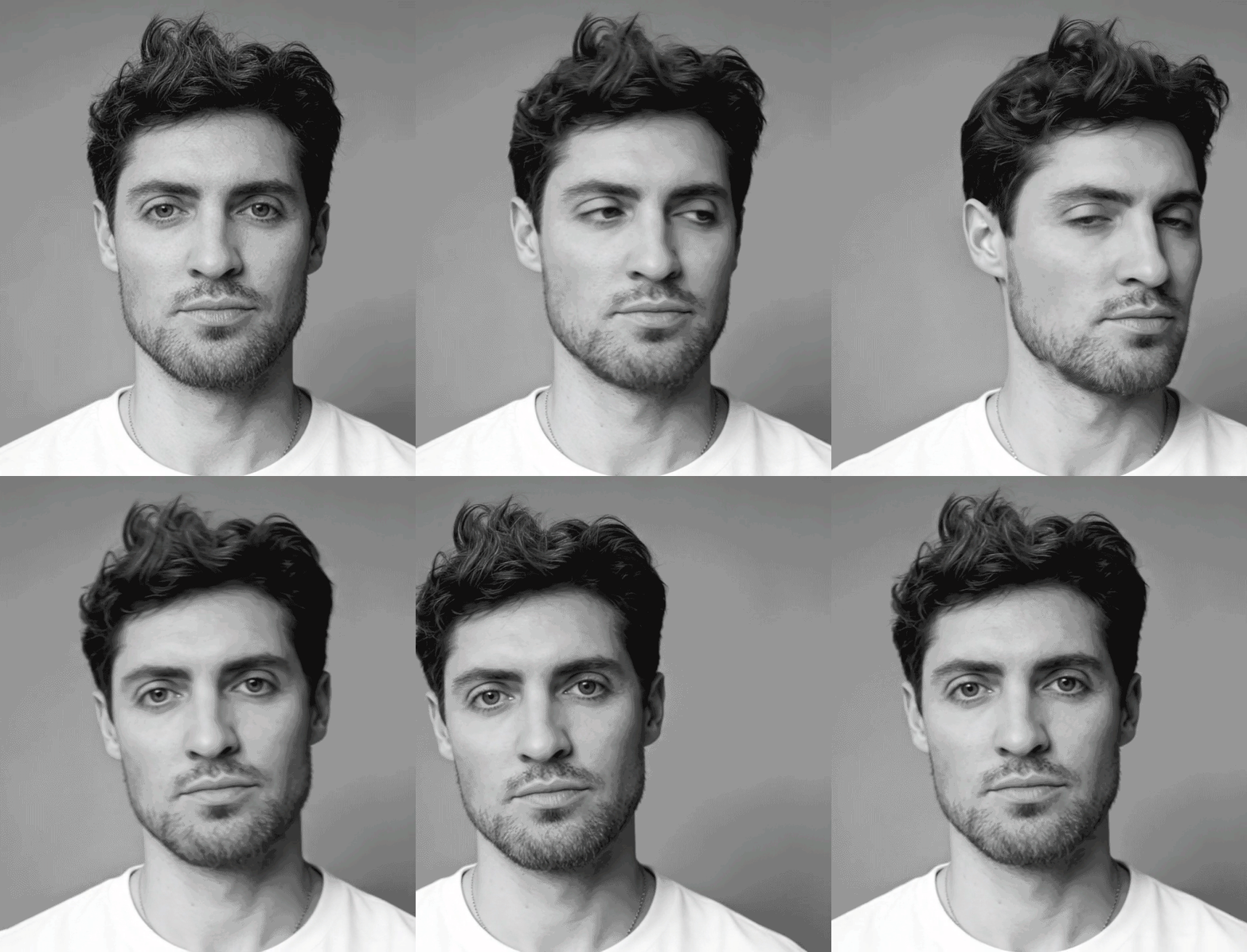
I came up in editorial — Interview, then Vogue — directing photo shoots when magazines were still the room where culture decided what mattered.
Then I moved inside the brands. M·A·C, modernizing the skin aesthetic of a heritage brand for the digital era — including Studio Radiance, the foundation campaign that took retouching off the table. Amika, building DTC creative that actually moved units. NARS, with Baron & Baron, pushing ideas that lived past the campaign window. DanceOne, building the content systems behind a generation's relationship to dance.
The work I'm most interested in lately is on the conceptual side — the kind of brief that starts with a cultural question and ends as something more durable than a campaign.
What I'm interested in now: brands that earn trust by behaving like they mean it. Specificity instead of polish. Communities instead of audiences. Less theater. More reasons to show up.
What has probably shaped me most is a habit of noticing how people make meaning around things: the products they trust, the spaces they return to, the rituals they keep, the language they repeat, and the ideas that start to feel like part of their lives.
The throughline is simple: editorial taught me how images carry meaning; brand work taught me how ideas move through channels, teams, and customers. Strategy is where those skills become useful before the campaign exists.
I am most interested in work where creative thinking sits close to the business question: what the brand should say, what it should build, who it needs to earn trust with, and how the work becomes repeatable without becoming generic.
How I lead: collaboratively and specifically. The best work on this site was made with photographers, makeup artists, producers, account leads, cast members, and teams who made the idea sharper. My job is to ask the better question, set the conditions for the work, and listen closely enough to make the idea stronger.
If you're building something that has to mean something, write me.